Diesel Engine Overheating? Here Are the 6 Major Causes and Prevention Measures!
Abnormally high water temperature in a diesel engine should never be ignored. It can lead to coolant boiling and power loss in mild cases, or even severe failures such as cylinder scoring and cylinder head gasket burnout! Today, we break down the common causes of diesel engine overheating and how to address them—helping you avoid operational pitfalls.
1. Prolonged Overload Operation
Cause: Continuous overload operation increases fuel consumption and heat load, leading to a sharp rise in coolant temperature.
Measure: Strictly avoid extended overload operation. Schedule reasonable equipment runtime and rest intervals.
2. Insufficient Coolant
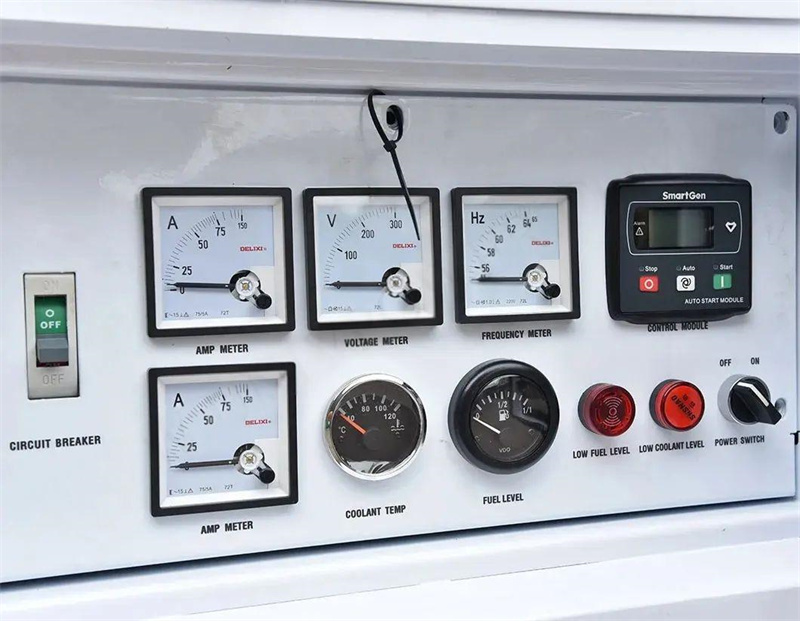
Cause: Low coolant level directly reduces heat dissipation efficiency, causing the engine to overheat.
Measure: Regularly check the coolant level in the radiator and expansion tank. Top up with qualified coolant promptly.
3. Interference Between Cooling Units
Cause: When the hydraulic oil radiator and water radiator are arranged in tandem, excessively high hydraulic oil temperature preheats the incoming air, reducing the water radiator’s effectiveness.
Measure: Inspect and maintain the hydraulic system’s cooling performance. Optimize radiator layout to minimize mutual interference.
4. Fan Malfunction
Cause: A loose fan belt or deformed blades reduces airflow, lowering cooling capacity.
Measure: Regularly check belt tension and fan condition. Adjust or replace faulty parts as needed.
5. Clogged Radiator Surface
Cause: Debris buildup reduces heat dissipation area and blocks airflow, hindering heat release.
Measure: Establish a regular cleaning routine to keep the radiator exterior clean and unobstructed.
6. Poor Coolant Circulation
Causes:
• Faulty Thermostat: Insufficient opening (normal range: 8–10 mm) restricts cooling in the main circuit.
• Weak Water Pump: Reduces coolant flow rate.
• Scale Buildup: Impairs heat transfer efficiency of radiator fins.
Measures:
• Periodically inspect thermostat opening; replace if abnormal.
• Measure the temperature difference between the upper and lower radiator tanks (normal range: 6–12°C). If the deviation is too large, check or replace the water pump.
• Use high-quality coolant and clean the cooling system regularly to prevent scale formation.
Quick Maintenance Tip
Prevention is better than repair! Regular maintenance, proper operation, and timely troubleshooting are key to keeping your diesel engine running cool and stable.
Media Contact:
UNIV POWER Team
Name:William
Email: [email protected]
Phone: +86 13587658958
Whatsapp: +86 13587658958
 Hot News
2026-08-14
2026-07-17
2026-07-08
2026-06-03
2026-05-26
2026-04-16
Welcome to UNIV POWER, Our products offer ODM and OEM services, including power generation set, lighting towers and air compressors, etc.
No. 18-9 Nanshan Road, Qujiang District, Quzhou City, Zhejiang Province
Copyright © Zhejiang Universal Trading Co.,Ltd. All Rights Reserved Privacy Policy Blog
 EN
EN