In the critical infrastructure of data centers, healthcare facilities, and industrial plants, the diesel generator stands as a silent guardian. Its reliability during a power outage is non-negotiable. While much attention is given to fuel quality, battery health, and regular testing, one dynamic duo often dictates the ultimate success or failure of a startup under load: the pulley-driven cooling system. Comprising the fan, water pump, belts, and radiator, this system is the engine's lifeline, and its meticulous maintenance is a cornerstone of preventive care that is frequently underestimated.
A failed cooling system during an extended outage doesn't just cause an engine to overheat; it can trigger a catastrophic cascade of events—from warped cylinder heads and blown gaskets to complete engine seizure, transforming a backup asset into a costly liability. The margin for error is slim, and precision in installation and routine checks is paramount.
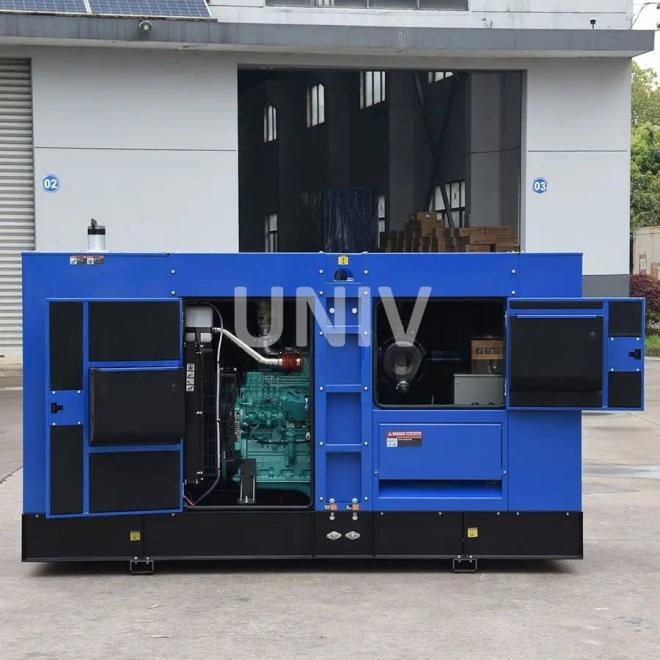
The High Stakes of Improper Installation and Neglect
The interplay between the radiator and the fan pulley system is a study in mechanical harmony. Even minor deviations from manufacturer specifications can introduce points of failure that vibration and thermal cycling will relentlessly exploit.
1. The Delicate Anatomy of the Radiator Core
Modern radiators are engineered for maximum heat exchange, featuring densely packed, thin aluminum or copper fins and tubes. This design is excellent for cooling but highly vulnerable to physical damage. A core tube damaged during installation or maintenance—perhaps from a misplaced tool or improper handling—can lead to a slow but critical coolant leak. Such a leak might go unnoticed during routine checks but will inevitably result in low coolant levels, overheating, and potentially hydro-locking the engine if coolant enters the combustion chamber.
Furthermore, the prescribed clearance between the radiator core and the tips of the fan blades is not arbitrary. Insufficient clearance can, over time, lead to contact. This not only shreds the radiator core, causing immediate catastrophic failure, but can also unbalance the fan, damaging the water pump bearing and pulley assembly.
2. The Critical Interface: Pulley and Tapered Sleeve
The connection between the fan pulley and the water pump shaft is a masterclass in secure power transmission, relying on a precisely machined tapered fit. The conical surfaces of the pulley bore and the taper sleeve must match perfectly. The rule of thumb—where the sleeve's small end sits 2–3 mm below the pulley face after hand-pressing—is a quick visual indicator of this match.
Compromising this fit by using mismatched, worn, or contaminated parts leads to micro-movement. This "fretting" accelerates wear, eventually causing the pulley to wobble or come loose entirely. The consequences are severe: violent vibration that stresses all front-end components, erratic fan speed reducing airflow, and potential shearing of the drive key, leading to a sudden loss of coolant circulation.
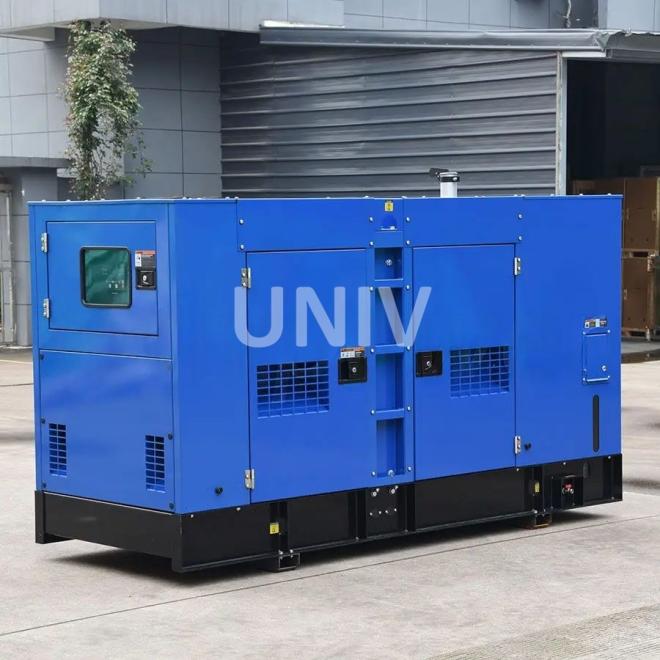
A Framework for Precision: Key Maintenance Protocols
Adherence to a disciplined maintenance protocol is the antidote to these risks. The following steps are not just recommendations but essential practices for ensuring system integrity.
1. Installation with Surgical Precision
Radiator Handling: Always treat the radiator as a fragile component. Use dedicated lifting points during installation, never rest it on its core, and ensure all mounting brackets are aligned before tightening to avoid inducing stress cracks.
Clearance Verification: After installation, manually rotate the fan to check for any point of contact with the radiator shroud or core. A simple paper strip can be used to gauge minimum clearance around the fan perimeter.
Tapered Fit Assurance: Before assembly, meticulously clean the pulley bore and the taper sleeve with a non-oily solvent to remove any old grease, rust, or debris. The surfaces must be dry and clean for a true metal-to-metal fit. Apply a thin film of specified anti-seize compound only if recommended by the OEM, never as a substitute for proper cleaning.
2. The Non-Negotiable Role of Torque
Guessing is not an option when it comes to fasteners in the cooling system.
Pump Shaft Nut: This is arguably the most critical fastener. It must be torqued to the exact specification using a calibrated torque wrench. Under-torquing allows movement; over-torquing can stretch the shaft threads or crack the pulley.
General Fasteners: All related nuts—radiator mounts, fan shroud bolts, idler pulley brackets, and engine mounts—should be secured to their specified torque values during every major service. Vibration can loosen even lockwashers over time.
3. The Discipline of Routine Inspection
Preventive maintenance is proactive, not reactive. A structured inspection routine catches small issues before they escalate.
Visual and Physical Checks: During weekly or monthly walkthroughs, visually inspect for coolant leaks, especially around the radiator seams and hose connections. Check fan blades for cracks, bends, or erosion. Grasp each fan blade and gently attempt to rock it to check for water pump bearing play.
Belt and Pulley Alignment: Use a straight edge to check the alignment of the fan/water pump pulley with the crankshaft and idler pulleys. Misalignment is a primary cause of premature belt wear and side-loading on the water pump bearing.
Thermal Imaging: Incorporating an annual thermal scan of the radiator core can reveal blocked tubes (showing as cooler sections) that are not visible to the naked eye, allowing for proactive cleaning or flushing.
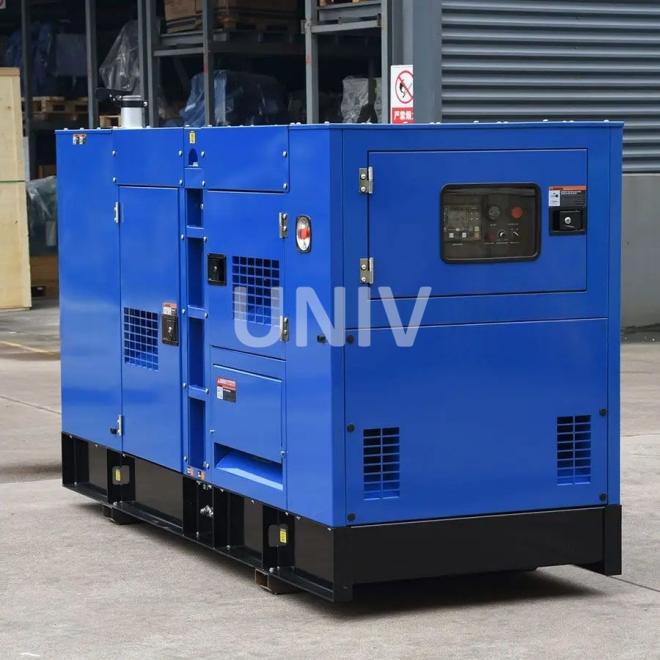
Conclusion: From Checklist to Culture
Maintaining the cooling system of a standby generator transcends a simple maintenance checklist. It represents a culture of precision and foresight. In an emergency, the generator does not get a second chance. The few millimeters of clearance, the exact newton-meters of torque, and the integrity of a tapered fit are what stand between uninterrupted operation and a devastating failure.
For facility managers, the takeaway is clear: entrust this critical system to technicians who understand not just the "how" but the "why" behind every procedure. Investing in precision maintenance for the cooling system is, fundamentally, an investment in the reliability of the entire backup power infrastructure.
If you are interested in the backup diesel generator set, please contact us.
Media Contact:
Name:William
Email: [email protected]
Phone: +86 13587658958
Whatsapp: +86 13587658958
 Hot News
2026-08-14
2026-07-17
2026-07-08
2026-06-03
2026-05-26
2026-04-16
Welcome to UNIV POWER, Our products offer ODM and OEM services, including power generation set, lighting towers and air compressors, etc.
No. 18-9 Nanshan Road, Qujiang District, Quzhou City, Zhejiang Province
Copyright © Zhejiang Universal Trading Co.,Ltd. All Rights Reserved Privacy Policy Blog
 EN
EN