For businesses and operations relying on diesel generators, the need for power often arises far from the controlled environment of an engine room. Whether it's a remote construction site, a temporary event, or critical infrastructure support, placing a generator outdoors introduces a host of environmental challenges that, if ignored, can lead to premature failure, safety hazards, and costly downtime. Selecting the right type of generator and implementing appropriate protective measures is not a matter of convenience but a critical operational decision.
The stakes are high. An unprotected generator exposed to the elements faces a relentless assault: rainwater can seep into control panels and windings, causing short circuits and catastrophic electrical failures. Prolonged sun exposure degrades wiring insulation, fades paint, and accelerates the aging of rubber components like hoses and belts. Dust and debris clog air filters and radiator fins, leading to overheating and reduced efficiency. The wrong choice doesn't just risk the generator; it risks the entire project or operation it powers.
Understanding the Three-Tiered Defense: From Basic Shelter to Integrated Solutions
The market offers a spectrum of solutions tailored to different levels of outdoor exposure and mobility requirements. The choice fundamentally hinges on two factors: the permanence of the location and the operational noise constraints.
Tier 1: The Open-Frame Generator & The Necessity of External Shelter
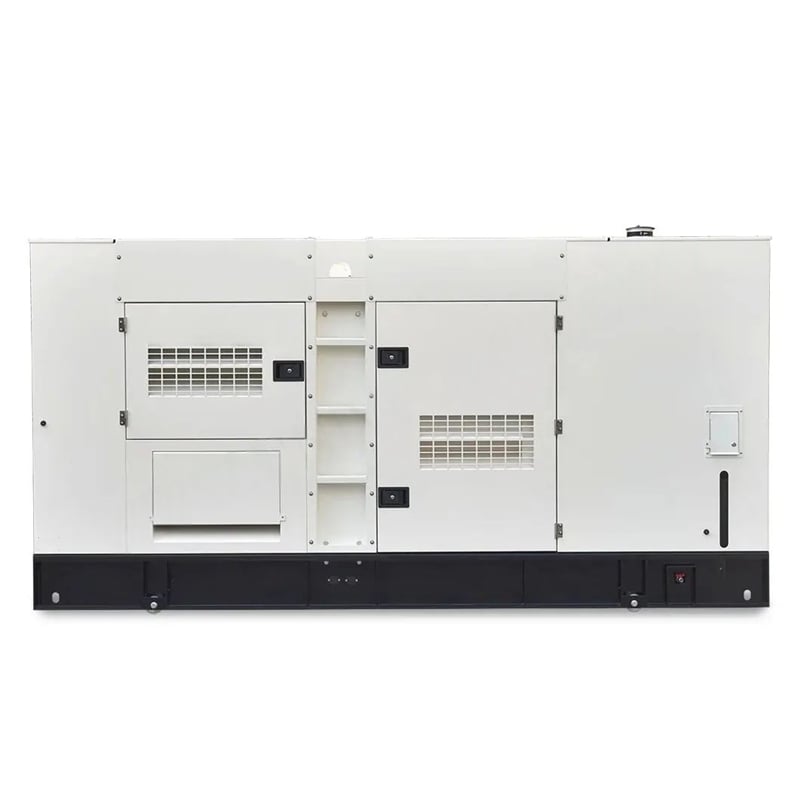
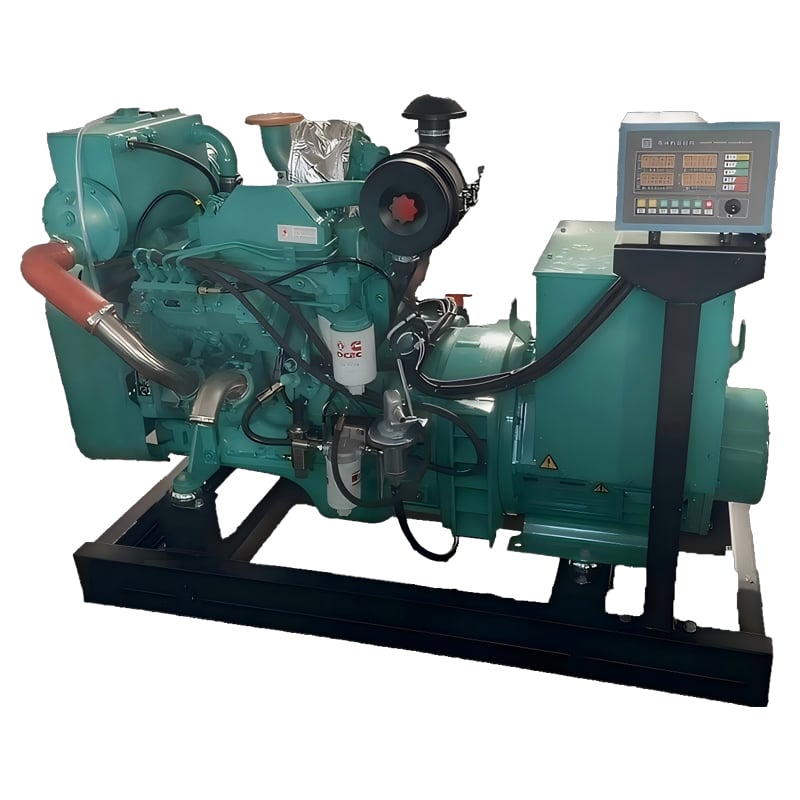
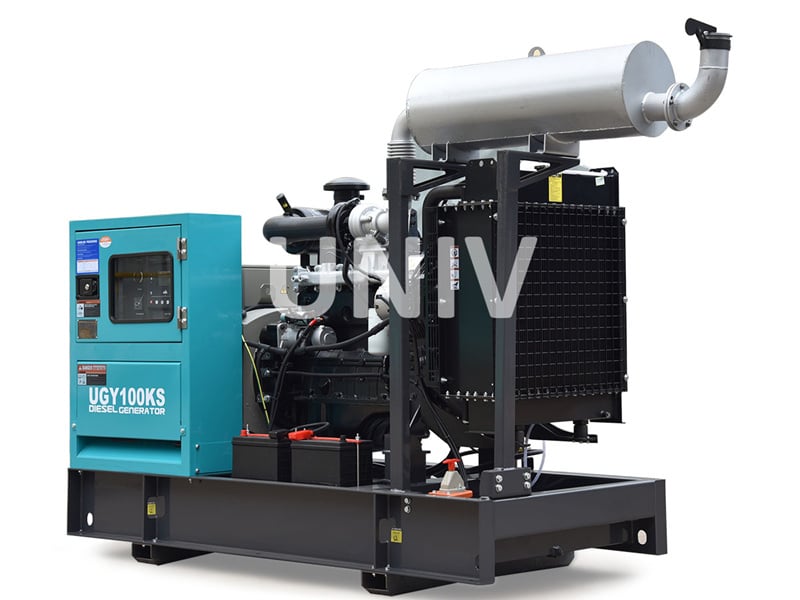
The standard open-frame generator is an industrial workhorse designed for cost-effective power in well-ventilated indoor spaces like warehouses or dedicated generator halls. Its design prioritizes accessibility for maintenance and optimal cooling but offers zero protection from weather.
The Risk: Deploying this unit outdoors without protection is an invitation for trouble. A sudden downpour can flood the alternator. Constant thermal expansion and contraction from daily sun exposure weakens metal joints. Humidity leads to corrosion on terminals and controllers.
The Mitigation Strategy: If an open-frame unit must be used temporarily outdoors, constructing a dedicated, well-ventilated shelter is non-negotiable. This can range from a simple, sturdy canopy with side skirts to a modified shipping container. The shelter must accomplish two conflicting goals: keeping rain and direct sun off the unit while allowing massive volumes of air to flow for cooling and exhaust dispersion. Failure in either function—either leaking water or inadequate ventilation—defeats the purpose.
Tier 2: The Fixed Outdoor / Silent Canopy Generator
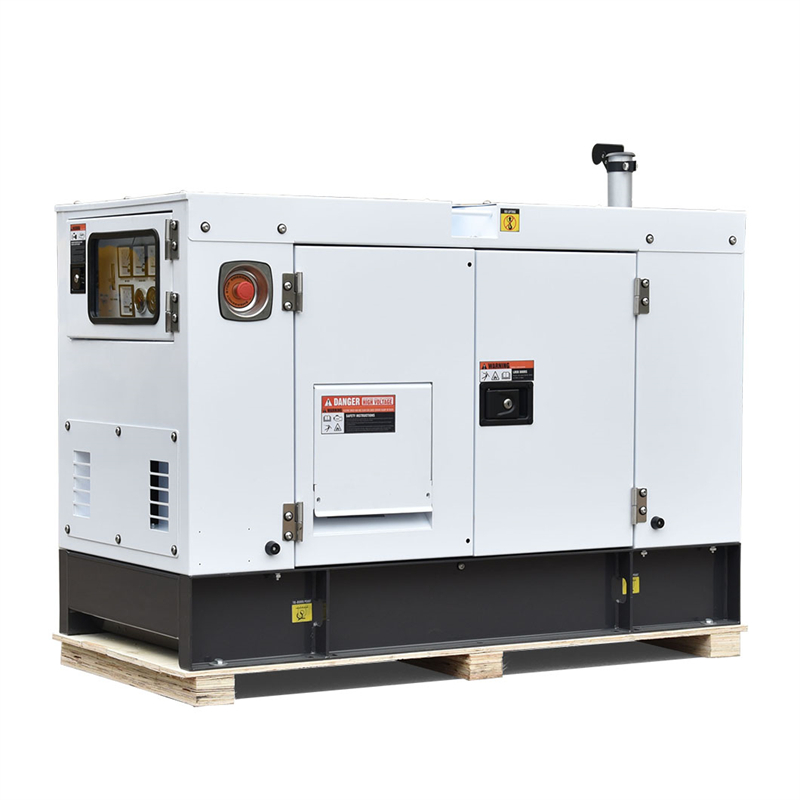
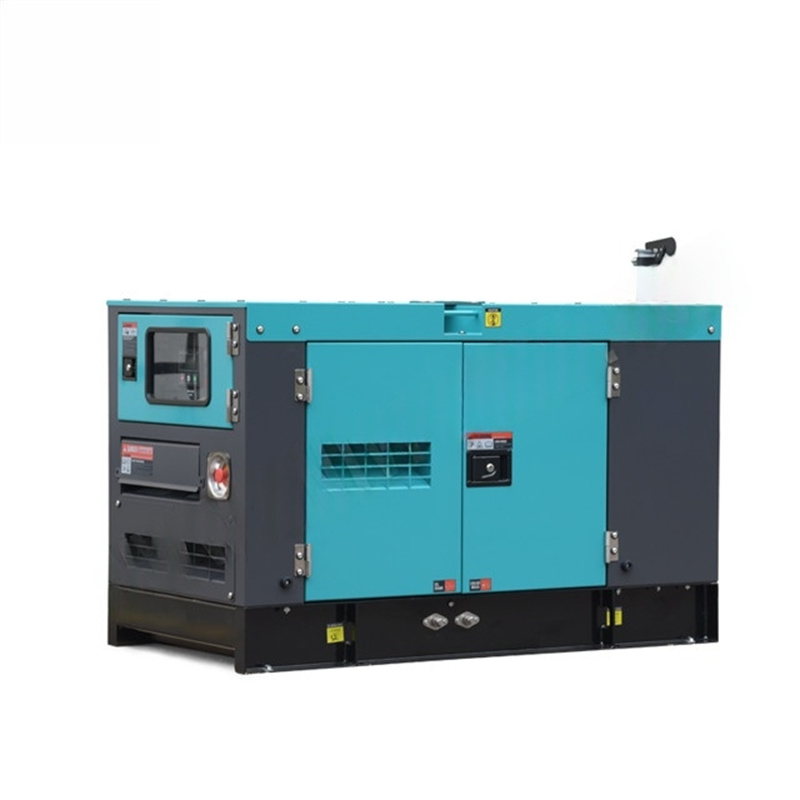
For long-term installation at a single outdoor location, such as behind a cell tower, a rural facility, or a permanent backup for a clinic, the Fixed Weatherproof Silent Canopy Generator is the engineered solution. This is not a generator with an add-on cover; it is a fully integrated system from the factory.
Integrated Protection: The unit is housed in a robust, lockable steel or aluminum canopy treated with corrosion-resistant paint. The enclosure is designed to be rainproof from all angles, with strategically baffled ventilation inlets and outlets that allow air movement while deflecting water. Critical components are shielded, and the entire structure is built to withstand wind load and UV radiation.
The Silent Advantage: The "silent" variant incorporates high-density acoustic insulation lining the canopy, combined with specially designed low-noise exhaust systems and intake baffles. This can reduce operational noise from over 100 dBA to levels around 65-75 dBA, making it suitable for noise-sensitive environments like residential areas, schools, or hotels. This integrated design ensures that silencing does not compromise the critical cooling airflow.
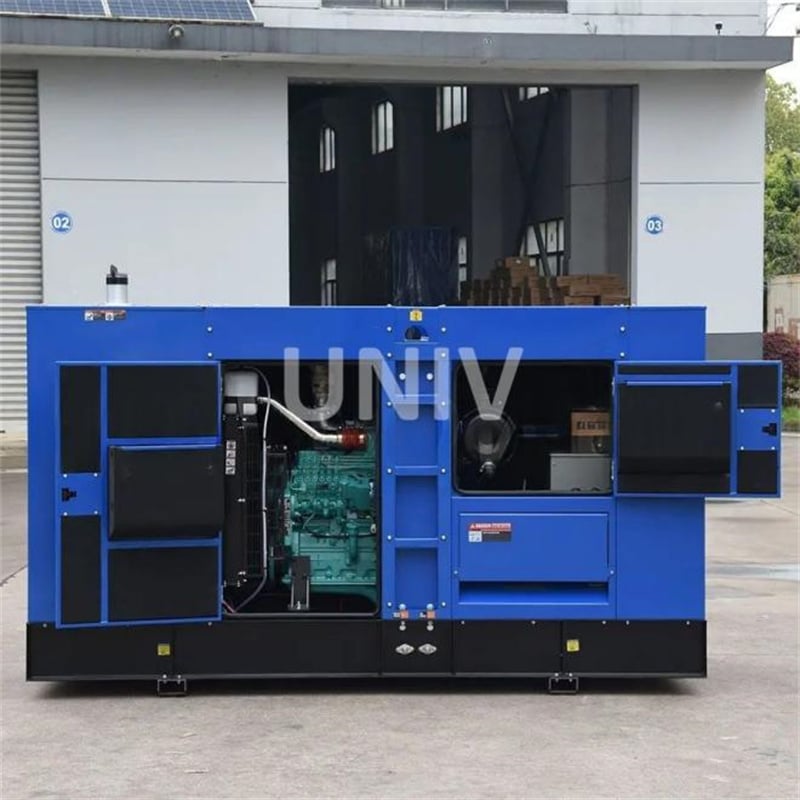
Tier 3: The Mobile Power Station: Trailer-Mounted Versatility
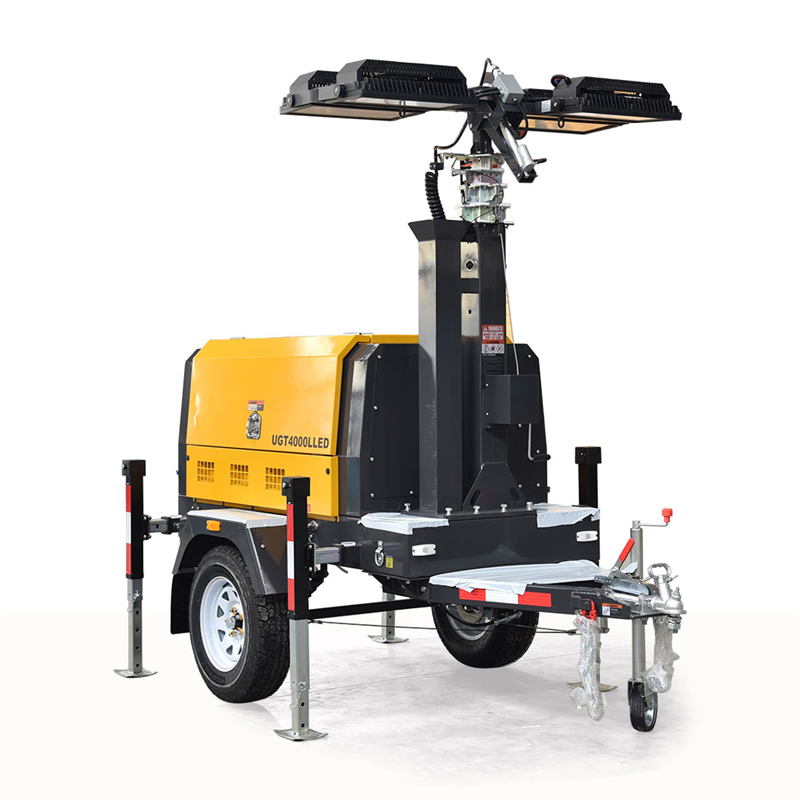
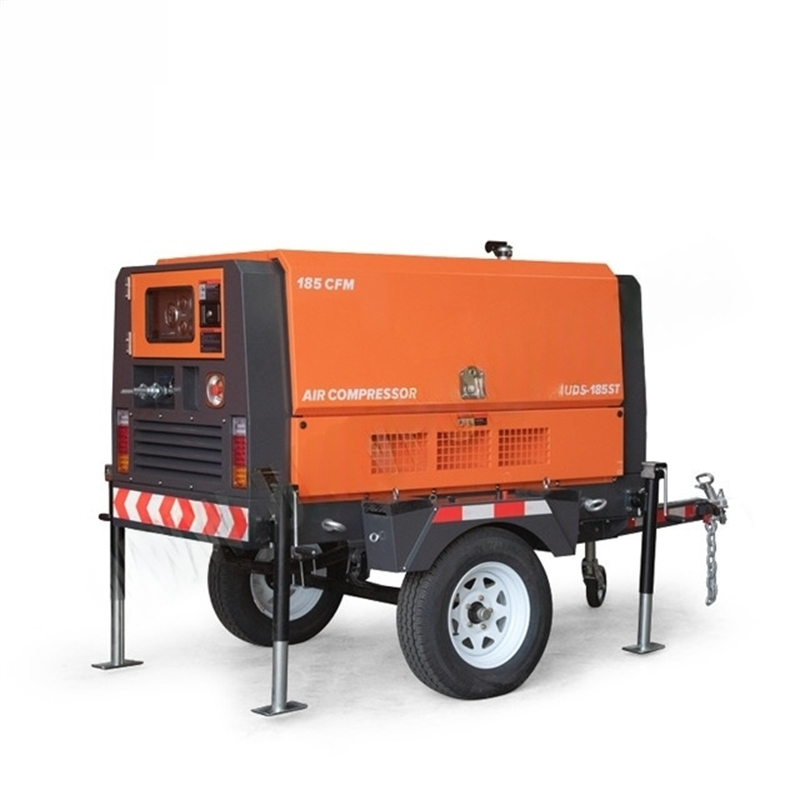
Many outdoor power needs are inherently mobile—powering different phases of a linear construction project, providing electricity for film sets, or serving as emergency response assets. For this, the Trailer-Mounted Mobile Power Station is the ideal tool.
Built for Transit and Toughness: These units are far more than a generator on a trailer. They feature a fully integrated, road-ready chassis with proper suspension, braking systems, lighting, and often DOT-approved hitches. The generator itself is housed within a heavy-duty, weatherproof canopy, securing it against the vibrations and shocks of transit.
Configurable Protection: Buyers can typically choose between a standard weatherproof canopy and a super-silent weatherproof canopy. The choice depends on the application: a standard unit is perfect for most industrial sites, while a super-silent unit is essential for night work in urban areas or for events. Additional features like external tie-down points, toolboxes, and fuel tank upgrades make these true mobile power plants.
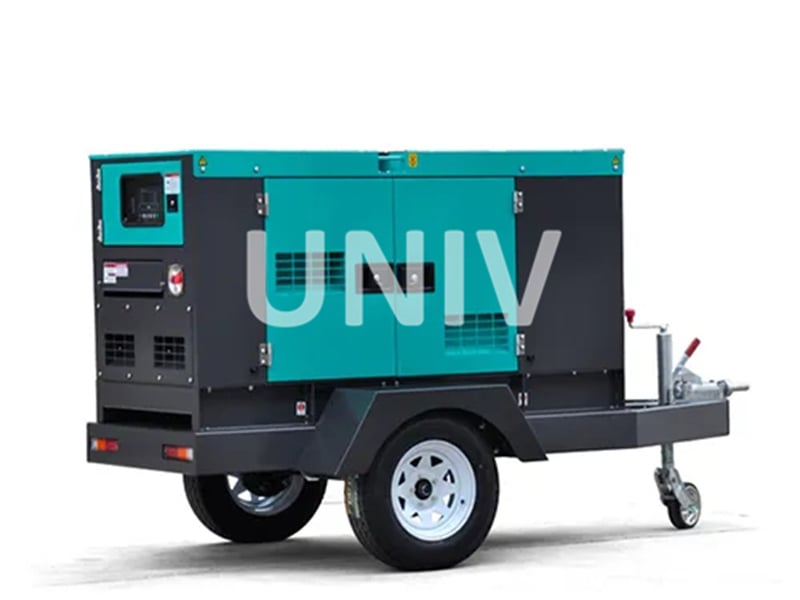
Making the Strategic Choice: Key Decision Factors
Selecting the right outdoor solution requires a careful assessment of several variables:
Duration & Frequency: Is this a one-week project or a permanent five-year installation? Temporary needs might justify a shelter for an open-frame unit, while permanent sites demand a fixed canopy generator.
Noise Regulations: What are the local ordinances or contractual requirements for noise? Failing to meet these with a loud unit can lead to fines and work stoppages, making the investment in a silent model compulsory.
Mobility Needs: How often will the unit need to be moved? Frequent moves necessitate the durability and legal road compliance of a trailer-mounted station. Infrequent moves might allow for a fixed canopy unit placed on a skid, moved only by heavy machinery.
Total Cost of Ownership: While the initial purchase price of an open-frame unit is lowest, adding a proper shelter, installation labor, and considering higher maintenance from environmental wear can close the gap with a purpose-built canopy unit. The integrated solution often proves more reliable and cost-effective over its lifespan.
Conclusion: An Investment in Reliability
Choosing an outdoor power solution is an investment in the reliability of your primary operations. The environment is an unforgiving opponent to electrical and mechanical equipment. By honestly assessing operational needs and matching them with the correctly engineered tier of protection—whether a built shelter, a fixed silent canopy, or a mobile power station—operators safeguard their assets, ensure continuity of power, and protect their bottom line from the far greater costs of failure.
The message for facility managers, project leads, and procurement specialists is clear: view the generator and its environmental protection as a single, holistic system. Specifying the right system from the start is the most effective strategy for ensuring that when the switch is flipped—whether at a muddy construction site at dawn or a critical facility during a storm—the power comes on, reliably and without fail.
If you are interested in the backup diesel generator set, please contact us.
Media Contact:
Name:William
Email: [email protected]
Phone: +86 13587658958
Whatsapp: +86 13587658958
 Hot News
2026-08-14
2026-07-17
2026-07-08
2026-06-03
2026-05-26
2026-04-16
Welcome to UNIV POWER, Our products offer ODM and OEM services, including power generation set, lighting towers and air compressors, etc.
No. 18-9 Nanshan Road, Qujiang District, Quzhou City, Zhejiang Province
Copyright © Zhejiang Universal Trading Co.,Ltd. All Rights Reserved Privacy Policy Blog
 EN
EN