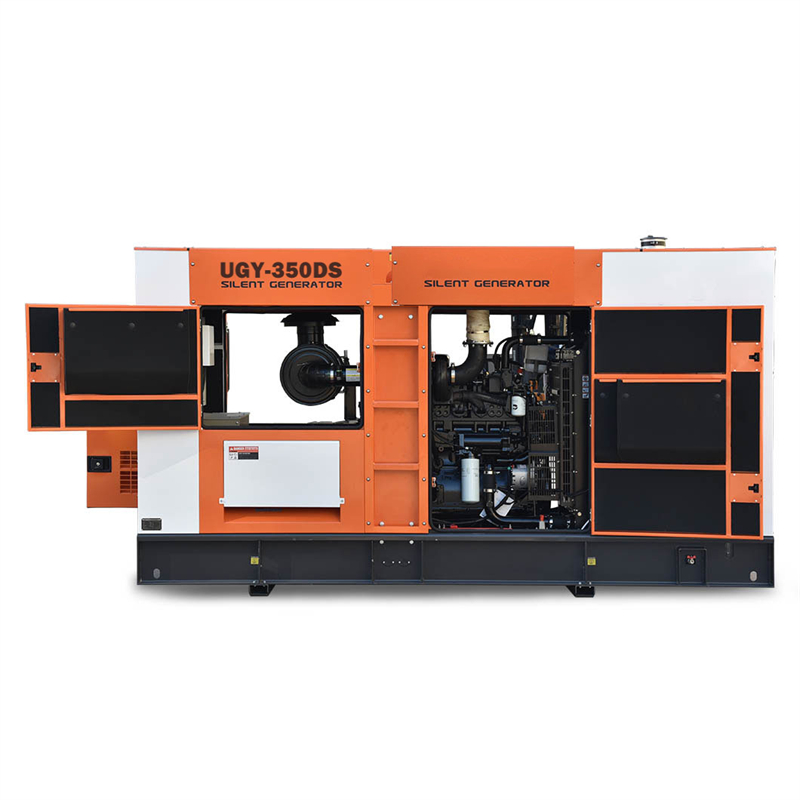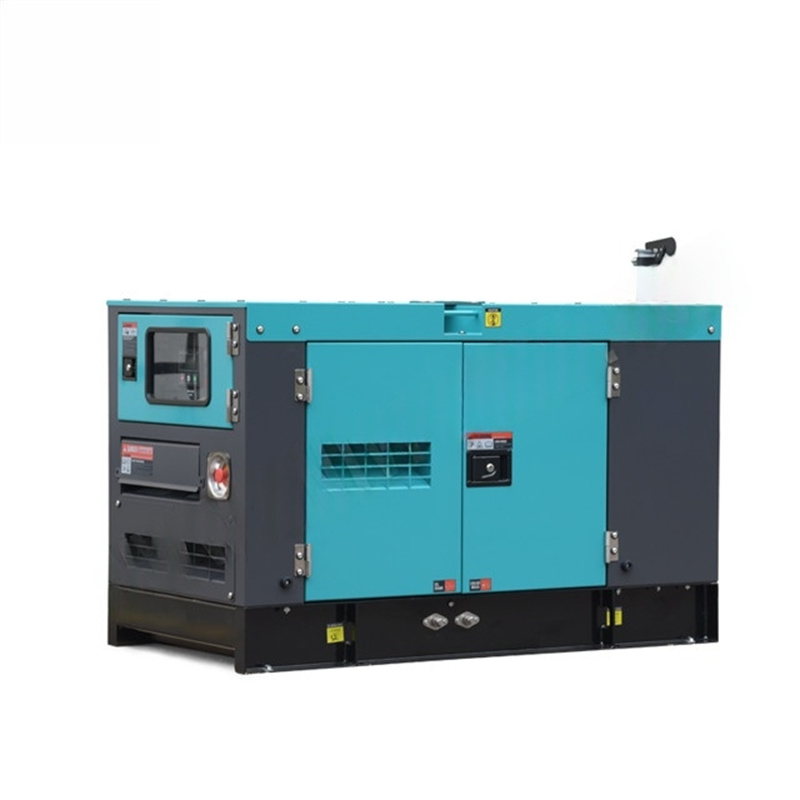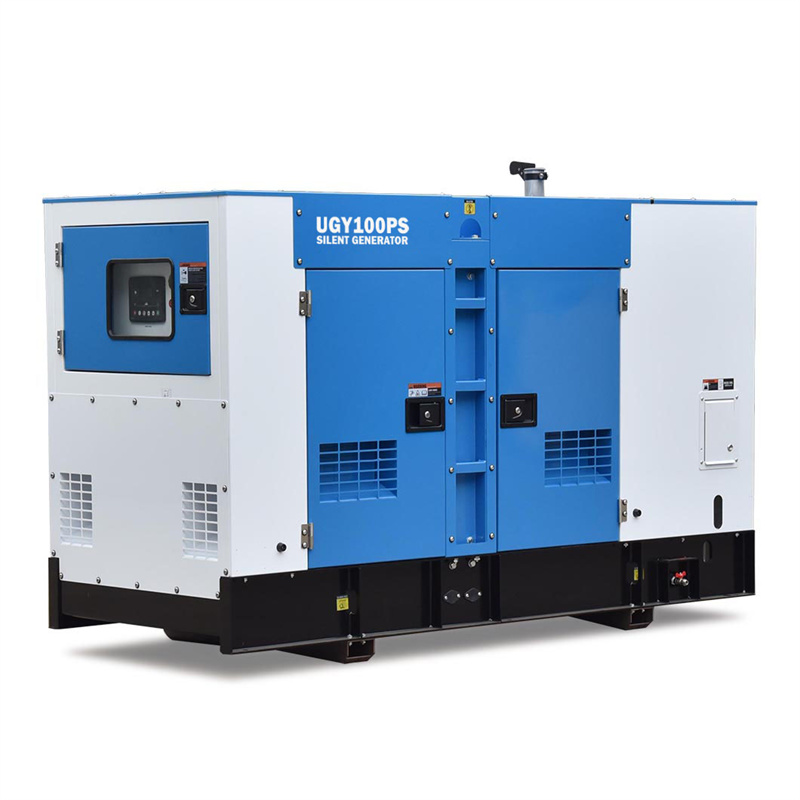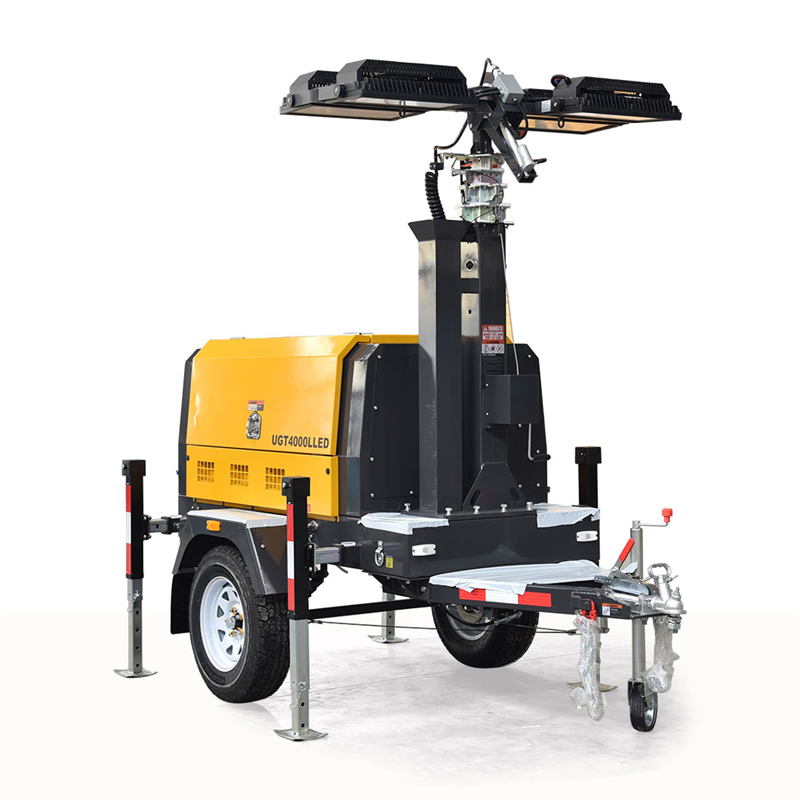
From emergency standby to off-grid prime power and renewable integration, diesel generators remain indispensable in a changing energy landscape.
For decades, the public perception of diesel generator sets has been narrowly defined: they are the noisy machines that hum to life when the grid goes down, keeping lights on in hospitals and elevators running in high-rise apartments. While emergency backup remains a cornerstone application, this view is increasingly outdated. Today, diesel generator sets have evolved into versatile, intelligent power solutions that serve as the primary energy source in remote regions, the stabilizing anchor for renewable microgrids, and the critical bridge in the transition toward a more resilient, low-carbon energy future.
The selection and configuration of a generator set are no longer one-size-fits-all decisions. Different operating environments demand vastly different engineering approaches—from split-second automatic transfer switches to heavy-duty dust-proof enclosures, from high-altitude power derating to seamless hybrid integration with solar and battery storage. Understanding these distinct application scenarios is essential for anyone involved in power system planning, facility management, or industrial operations.
Scenario 1: Emergency Backup – The Last Line of Defense for Critical Infrastructure
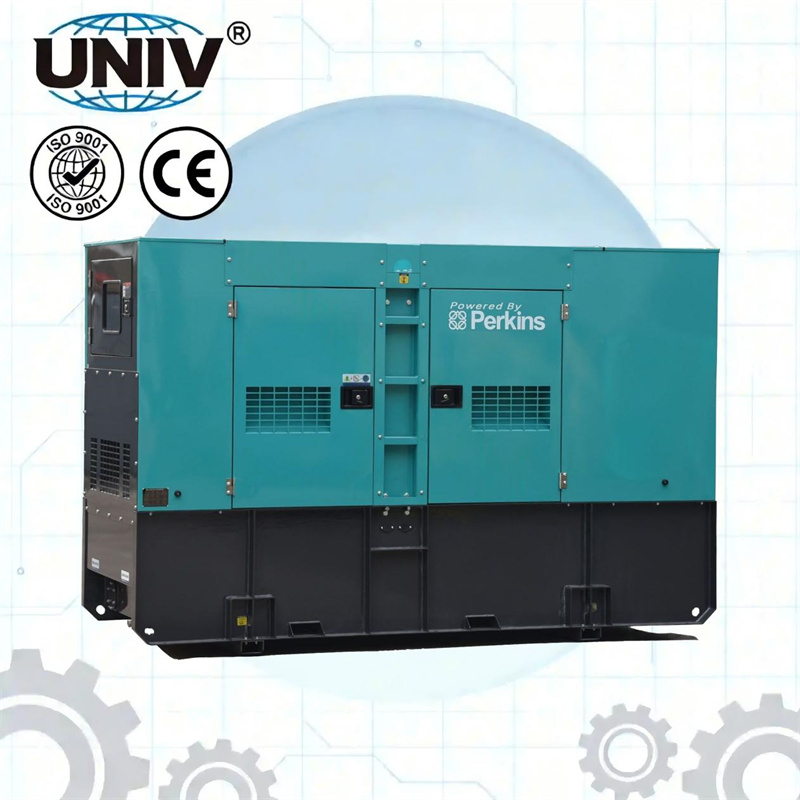
This remains the most widely recognized and deployed application for diesel generator sets. Data centers, hospitals, shopping malls, high-rise residential buildings, and financial institutions all rely on standby generators to maintain operations during utility outages. In these environments, the stakes are extraordinarily high. A few seconds of downtime can mean lost revenue, disrupted medical procedures, corrupted data, or even threats to human life.
The technical requirements for emergency backup are defined by two words: speed and reliability.
Modern standby systems are invariably paired with an Automatic Transfer Switch (ATS) . This intelligent device continuously monitors utility power. When it detects a voltage drop or complete outage, it sends a start signal to the generator and, once the unit reaches stable operating speed and voltage, transfers the electrical load from the grid to the generator. This entire sequence typically takes between 5 and 15 seconds—fast enough to prevent most equipment from shutting down.
For the most critical facilities—tier-4 data centers, trauma centers, and emergency command centers—a single generator is not sufficient. These sites implement N+1 parallel redundancy. In this configuration, multiple generators operate in parallel, with at least one additional unit beyond the required capacity. If any single generator fails during an outage, the remaining units automatically share the load, ensuring uninterrupted power. This approach delivers "zero downtime" protection, albeit at a higher upfront cost.
ATS-equipped diesel units with fast start capability are also widely deployed in telecommunications base stations, airport control towers, and emergency response hubs, where even a momentary loss of power can cascade into widespread disruption.
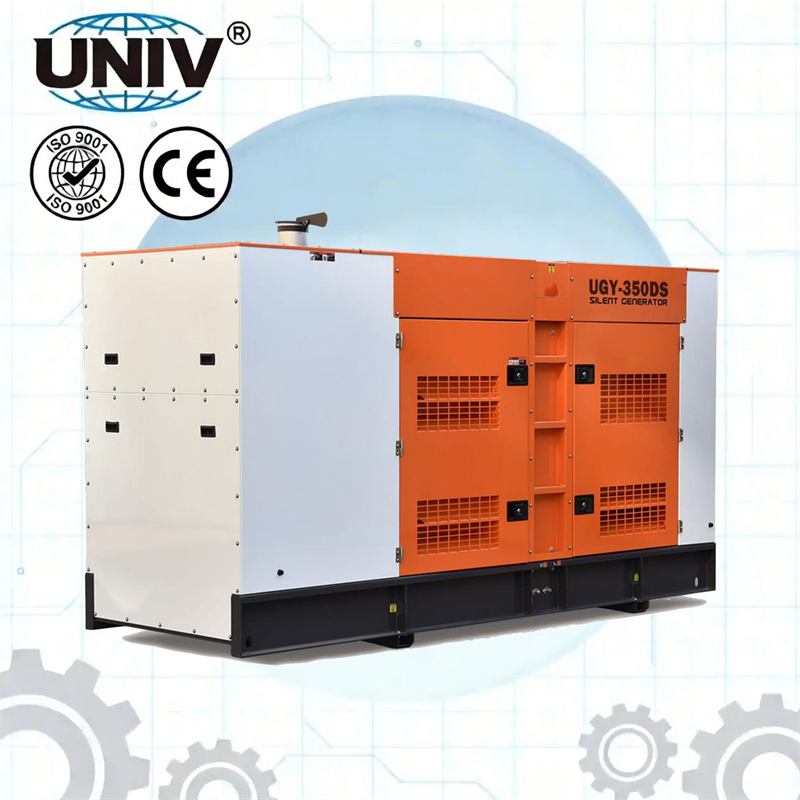
Scenario 2: Remote and Field Operations – The Primary Power Source Where the Grid Does Not Reach
Beyond the reach of transmission lines and distribution networks, diesel generator sets are not a backup—they are the sole source of electricity. In mining operations, highway and bridge construction sites, oil and gas drilling rigs, and geological exploration camps, the generator runs continuously, often 24 hours a day, seven days a week, for months at a time.
This operating environment is fundamentally different from urban standby applications. Here, the generator is not waiting for a failure; it is the workhorse that powers drills, crushers, pumps, lighting, and accommodation facilities.
The selection criteria for remote site generators include:
Prime-power rating: Unlike standby-rated units that are designed for occasional use, prime-power generators are built for continuous duty at variable loads. They feature larger cooling systems, more robust alternators, and heavier-duty construction.
Large-capacity fuel tanks: Extended runtime between refuels is critical in locations where fuel delivery is logistically challenging. Day tanks are often supplemented with bulk storage tanks to support 24 to 72 hours of continuous operation.
Environmental hardening: In dusty mining environments, generators require enhanced air filtration and pressurized control panels to prevent abrasive particles from entering sensitive components. In oilfields, explosion-proof enclosures and spark-arresting exhaust systems are mandatory.
Altitude adaptation: At elevations above 1,000 meters, air density decreases, reducing engine power output. Manufacturers provide derating tables that specify the required reduction in power, which must be factored into the selection process.
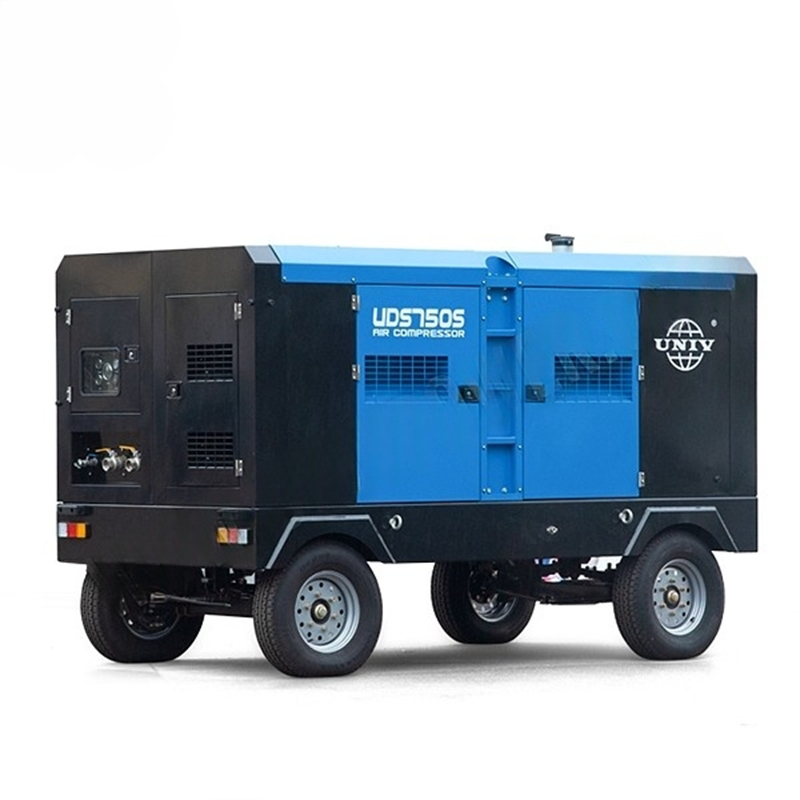
Mobility: For applications that move frequently—such as pipeline construction or seismic surveying—trailer-mounted or containerized generators are the preferred choice. These units are designed for rapid towing, lifting, and redeployment, often with built-in forklift pockets and lifting lugs.
In these rugged, often unforgiving environments, reliability is paramount. A generator failure can halt an entire project, costing thousands of dollars per hour in idle labor and equipment.
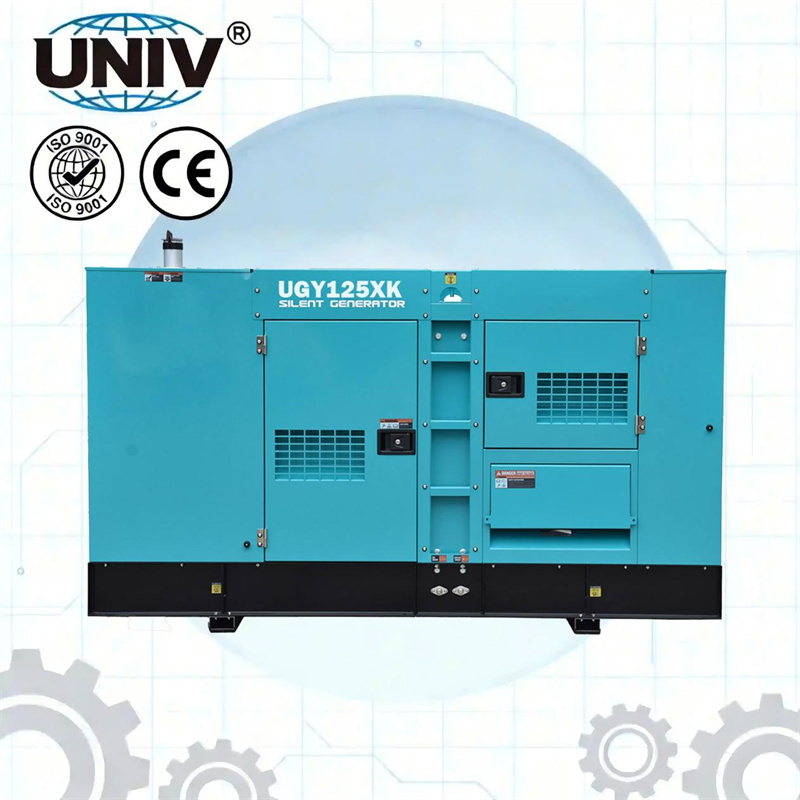
Scenario 3: Grid-Interactive and Complementary – The Peak-Shaving Partner in the Renewable Era
Perhaps the most dynamic and forward-looking application for diesel generators is their role in hybrid microgrids alongside renewable energy sources. As the world accelerates toward carbon neutrality, solar photovoltaic (PV) arrays and wind turbines are being deployed at unprecedented scale. Yet these renewable sources are inherently variable—clouds can suddenly reduce solar output, and wind speeds fluctuate unpredictably.
This intermittency presents a challenge: how do you maintain stable, reliable power when your primary energy source is intermittent? The answer, increasingly, is a solar-storage-diesel microgrid.
In this configuration, the diesel generator is no longer the primary energy provider. Instead, it serves as a peak-shaving and backup unit. During daylight hours, when solar irradiation is strong, PV panels supply the majority of the load, with excess energy stored in battery banks. When the sun sets, or during extended periods of overcast weather, the battery system discharges. Only when battery state-of-charge drops to a pre-set threshold does the diesel generator start, recharge the batteries, and support the load until renewable output recovers.
This operating strategy delivers multiple benefits:
Reduced carbon emissions: The diesel engine runs for significantly fewer hours per year, directly cutting fuel consumption and greenhouse gas emissions.
Lower operating costs: In many regions, the cost of solar energy is now lower than diesel fuel. Reducing diesel runtime translates into substantial fuel savings.
Enhanced stability: The diesel generator provides a firm, dispatchable power source that compensates for renewable variability, ensuring that critical loads remain powered.
Extended generator life: With fewer operating hours and more controlled starts, the generator experiences less wear, reducing maintenance frequency and overhaul intervals.
This hybrid approach is already being deployed in island communities, remote industrial facilities, off-grid mining camps, and rural electrification projects. It represents a compelling economic and environmental case that aligns with global decarbonization goals while preserving the reliability that diesel technology is known for.
Conclusion: An Indispensable Asset in Transition
As energy systems evolve, the role of the diesel generator is not disappearing—it is transforming. Rather than being displaced by renewables, it is becoming their most effective partner. In emergency standby, it remains the ultimate guarantor of continuity. In remote operations, it is the irreplaceable engine of progress. In hybrid microgrids, it is the stabilizing force that unlocks the full potential of solar and wind.
Modern diesel generator sets are smarter, cleaner, and more efficient than ever before. Advanced electronic controls enable remote monitoring, predictive maintenance, and seamless integration with other power sources. They are no longer isolated machines but integral components of an interconnected, intelligent power ecosystem.
For facility managers, engineers, and business owners, understanding these three core application scenarios is the first step toward selecting the right solution for their specific needs. Whether the priority is milliseconds of transfer time, months of continuous operation, or maximum renewable utilization, there is a diesel generator configuration ready to meet the challenge.
For expert guidance on selecting and configuring generator sets for your application, contact our power solutions team.
If you are interested in the backup diesel generator set, please contact us.
Media Contact:
Name:CeCe Wu
Email: [email protected]
Phone: +86 13567080758
Whatsapp: +86 13567080758
 Hot News
2026-08-14
2026-07-17
2026-07-08
2026-06-03
2026-05-26
2026-04-16
Welcome to UNIV POWER, Our products offer ODM and OEM services, including power generation set, lighting towers and air compressors, etc.
No. 18-9 Nanshan Road, Qujiang District, Quzhou City, Zhejiang Province
Copyright © Zhejiang Universal Trading Co.,Ltd. All Rights Reserved Privacy Policy Blog
 EN
EN