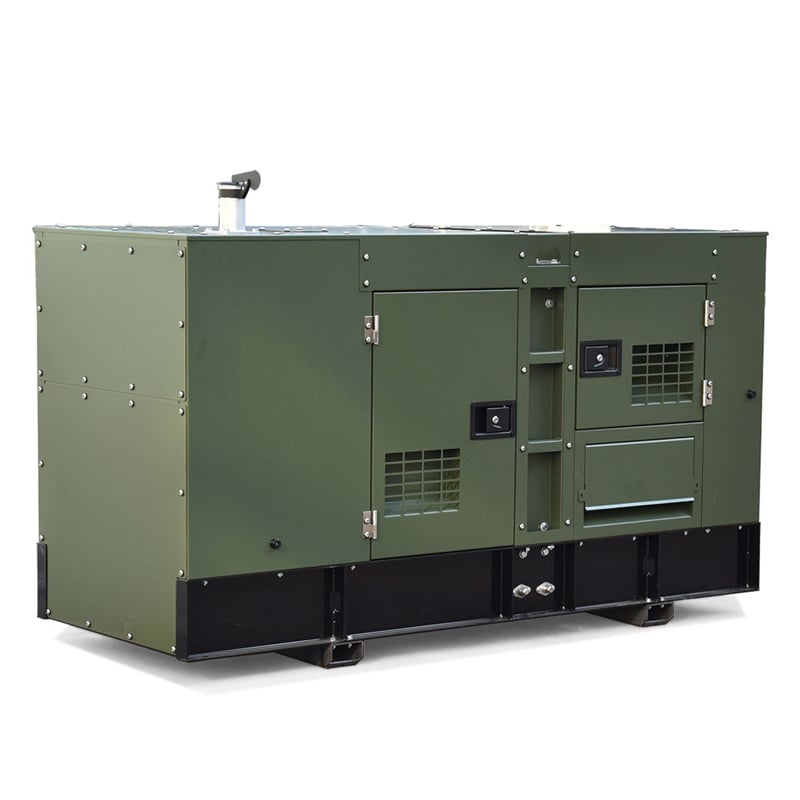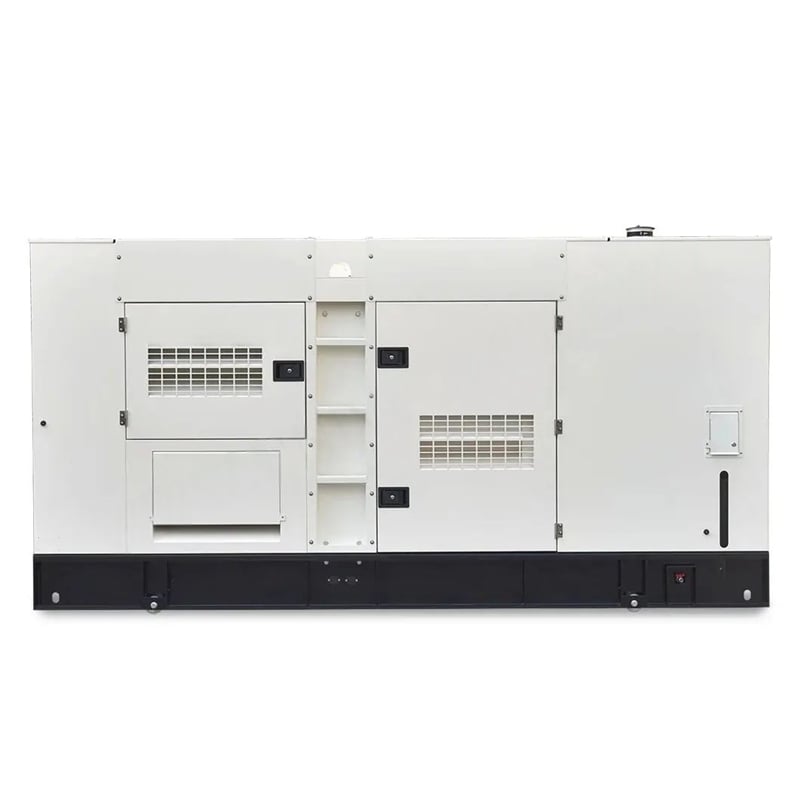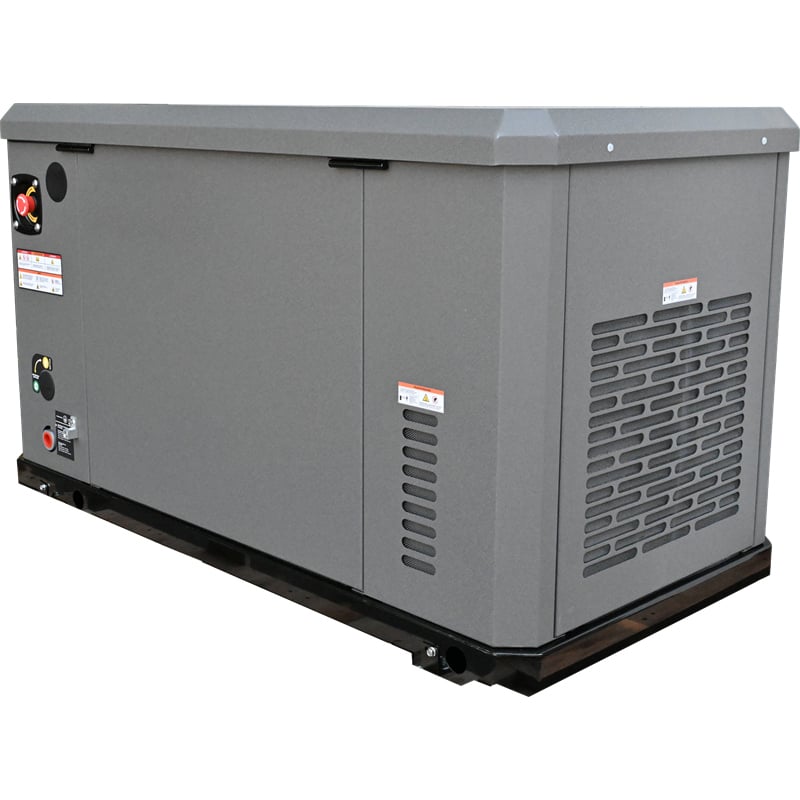
Industry data confirms that a systematic pre‑start checklist prevents more than 80% of startup failures and early operational risks.
Across data centers, hospitals, manufacturing plants, and construction sites, diesel generator sets stand ready to provide critical backup power when the grid fails. Yet a staggering proportion of generator failures occur not during prolonged operation, but within the first few minutes of starting. The culprit is often not a complex mechanical defect but a preventable oversight: skipping the pre‑start inspection.
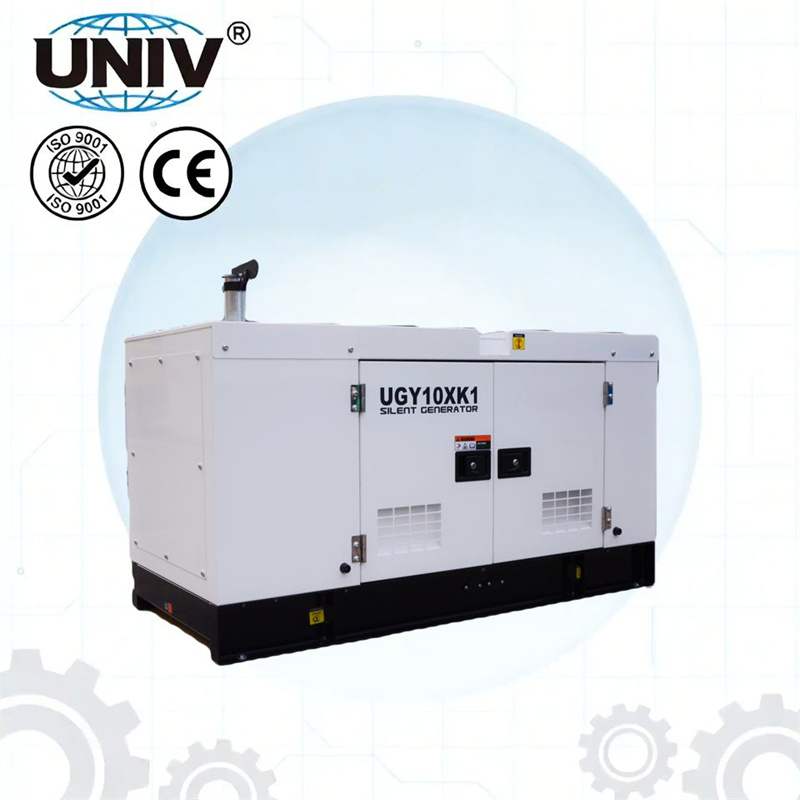
Industry statistics consistently show that properly executed pre‑start checks eliminate over 80% of startup‑related faults and early operating hazards. Engine manufacturers repeatedly emphasize that the few minutes spent walking through a standard checklist can mean the difference between reliable power and catastrophic downtime.
“A pre‑start inspection is the single most cost‑effective maintenance action you can take,” says a senior application engineer. “It requires no special tools, no parts replacement, and minimal time. Yet it catches problems that would otherwise destroy an engine within seconds of cranking.”
The recommended procedure falls into three logical steps, taking approximately three minutes for a trained operator to complete.
Step 1: External and Engine Room Environment
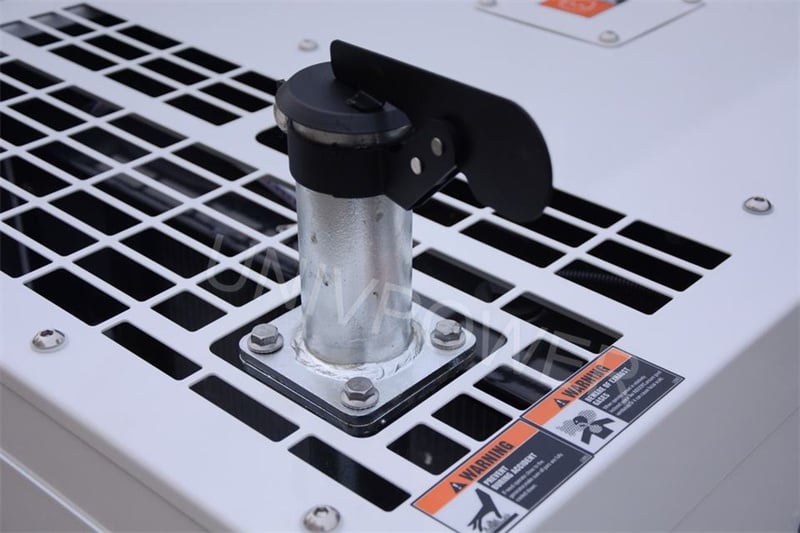
The first line of defense is the generator’s surroundings. Operators must clear debris, tools, and stored materials from inside and immediately outside the engine room. The generator needs unobstructed airflow – blocked intake or exhaust vents can cause overheating, power loss, and accelerated wear.
A visual scan of the unit’s exterior follows. Look for oil puddles, coolant stains, or fuel dampness. Any fluid leak is a red flag that must be addressed before starting. Fasteners – mounting bolts, belt guards, connection clamps – should be visually confirmed as tight and present.
Special attention goes to the exhaust system. Loose or corroded exhaust connections allow deadly carbon monoxide to seep into occupied spaces. A simple hand check of exhaust pipe joints and flexible sections can prevent a lethal incident.
Step 2: Fluid Levels and Quality
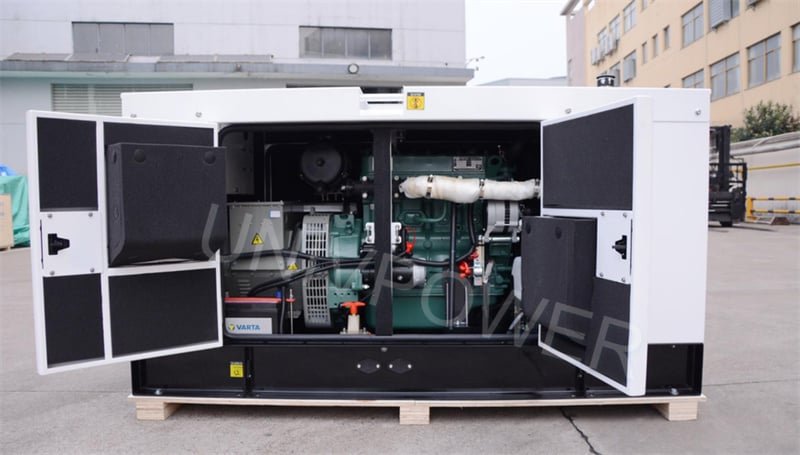
The engine’s lifeblood is its three fluids: engine oil, coolant, and diesel fuel. Each must be verified at the proper level, using the dipstick, coolant reservoir sight glass or cap, and fuel tank gauge.
Low oil level starves bearings and camshafts, leading to immediate scoring. Low coolant level creates steam pockets and hot spots that crack cylinder heads. Low fuel level introduces air into the injection system, making starting impossible.
Fluid quality matters as much as quantity. For diesel, the correct grade for ambient temperature must be used. Summer‑grade fuel in winter will gel, plugging filters and stopping flow. Coolant should be fresh, not old or diluted, to prevent freezing, boiling, and corrosion. Engine oil should appear clean, not blackened or milky.
The fuel system itself needs a quick integrity check. Look for any signs of leakage at filter housings, injector lines, and return lines. Air trapped in the system will cause hard starting or misfiring; many modern generators have a manual priming pump to purge air before cranking.
Step 3: Electrical System and Battery
The starting circuit is the most common failure point in emergency generators. A weak or corroded battery connection can supply enough power for lights and control panels but fail under the high current demand of the starter motor.
Operators should measure battery terminal voltage with a multimeter. A healthy 12V system reads 12.5V or higher; a 24V system reads 25V or higher. Terminals must be clean, tight, and protected with dielectric grease to prevent corrosion.
Next, scan the control panel for active fault alarms. If any alarm exists, it must be investigated and cleared before attempting to start. The main output circuit breaker should be in the OFF or “open” position. This prevents the generator from immediately taking load during the startup sequence, which adds unnecessary stress.
Finally, a visual check of wiring insulation – especially where wires pass through metal openings or near vibration sources – ensures no chafing or exposed conductors that could cause short circuits or electric shock hazards.

Why Only Three Minutes?
Skeptics might ask how such a short inspection can be thorough. The answer lies in consistency and observation. The same three‑minute routine performed before every start builds a mental baseline of what “normal” looks like. Any deviation – a new oil stain, a lower battery voltage, a different engine sound during cranking – becomes immediately apparent. That early detection gives the operator a chance to stop, diagnose, and correct before damage occurs.
Conversely, skipping the pre‑start inspection turns every startup into a gamble. Minor leaks become major sprays. Loose belts shred and fail. Low coolant causes a cracked head that costs tens of thousands to replace. The three minutes invested yields a return measured in avoided repair bills and uninterrupted operations.
A Professional Habit Worth Forming
For fleet managers, facility engineers, and sole operators alike, the pre‑start inspection is non‑negotiable. It is the most visible expression of a professional maintenance culture. Equipment manufacturers include the checklist in every operator’s manual for a reason – because they know from warranty data that skipped inspections are the number one driver of premature engine failure.
Training should ensure that every person who might start a generator – from dedicated technicians to night shift supervisors – can perform the three‑minute routine without hesitation. Posted checklists, laminated cards on the control panel, and periodic drills all reinforce the habit.
Conclusion
A diesel generator is a sophisticated machine, but its reliability ultimately rests on simple, consistent human actions. The three‑minute pre‑start inspection is the most powerful of those actions. It stops 80% of potential startup failures before they happen. It protects personnel from exhaust hazards and electrical shocks. It saves organizations from the staggering cost of emergency repairs and extended downtime.
Three minutes. That is all it takes to secure the first line of defense. Nothing less should ever be acceptable.
For further information on generator pre‑start procedures or to schedule operator training, contact your authorized generator service provider.
If you are interested in the backup diesel generator set, please contact us.
Media Contact:
Name:CeCe Wu
Email: [email protected]
Phone: +86 13567080758
Whatsapp: +86 13567080758
 Hot News
2026-08-14
2026-07-17
2026-07-08
2026-06-03
2026-05-26
2026-04-16
Welcome to UNIV POWER, Our products offer ODM and OEM services, including power generation set, lighting towers and air compressors, etc.
No. 18-9 Nanshan Road, Qujiang District, Quzhou City, Zhejiang Province
Copyright © Zhejiang Universal Trading Co.,Ltd. All Rights Reserved Privacy Policy Blog
 EN
EN