What looks like a bargain today can become a maintenance nightmare tomorrow. Here's what every buyer needs to know.
When enterprises, construction sites, and villa owners shop for diesel generator sets, the decision often comes down to two factors: power rating and price. The logic seems straightforward—more power for less money equals a good deal. Yet this narrow focus frequently leads to a cascade of problems: frequent circuit breaker trips, skyrocketing fuel consumption, repeated breakdowns, and, most critically, failure when the generator is needed most.
The generator set market, particularly in regions with high demand and varying quality standards, is riddled with pitfalls that can turn a seemingly cost-effective purchase into a costly liability. What looks like a bargain today can become a maintenance nightmare tomorrow. This report examines the five most common procurement mistakes and provides actionable guidance for making a sound investment.
Pitfall 1: Buying by Stated Power Rating Alone
The most pervasive trap in generator procurement is accepting the manufacturer's stated power rating at face value. In practice, many units on the market carry inflated specifications. A generator advertised as 500 kW may deliver only 400 kW of usable power under real load conditions. When such a unit is tasked with driving equipment at its stated rating, it operates in a state of chronic overload—a condition that rapidly degrades the alternator and can lead to catastrophic failure.
The root of this problem often lies in the confusion between KVA (apparent power) and kW (real power). The relationship is straightforward: 1 KVA equals approximately 0.8 kW. Yet some sellers exploit this distinction, presenting KVA as if it were kW to inflate the perceived capacity of their units.
The solution: Always verify the actual kW output and require a 10–20% power margin above your calculated load requirements to accommodate startup peaks and future expansion. A properly sized generator should operate between 70% and 80% of its prime power rating under normal load conditions.
Pitfall 2: Overlooking Component Quality and Construction
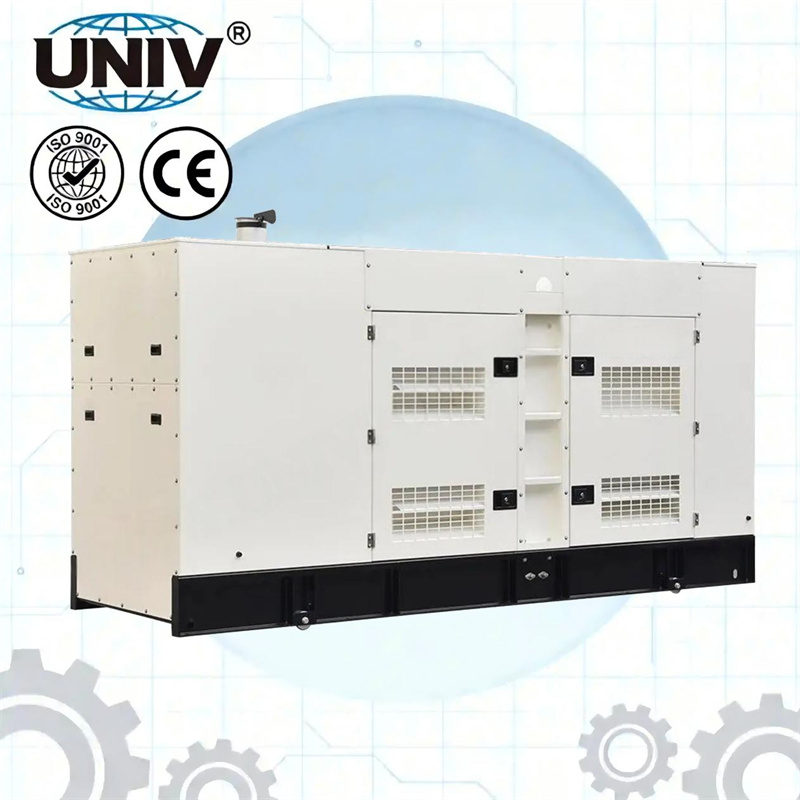
Low-cost generators often achieve their attractive price points through compromised component quality. Refurbished engine cores, substandard filters, and ordinary copper-wound alternators are substituted for genuine parts. The exterior may look identical to a premium unit, but the internal construction tells a different story.
These cost-cutting measures have real consequences. Substandard components fail more frequently under both high-temperature and low-temperature extremes. They lack the thermal protection and robust construction necessary for reliable operation. Premium generator sets, by contrast, are built with pure copper alternators, brand-name core components, and rigorous quality control at every stage of production.
The solution: Request detailed specifications for all major components—engine, alternator, and control system. Verify that the engine power rating exceeds the generator power rating by at least 10% to account for mechanical losses. Look for ISO 9001 certification as evidence of standardized quality management. Red flags include the absence of in-house load testing bays or outsourced control panel assembly.
Pitfall 3: Confusing Standby Power with Prime Power
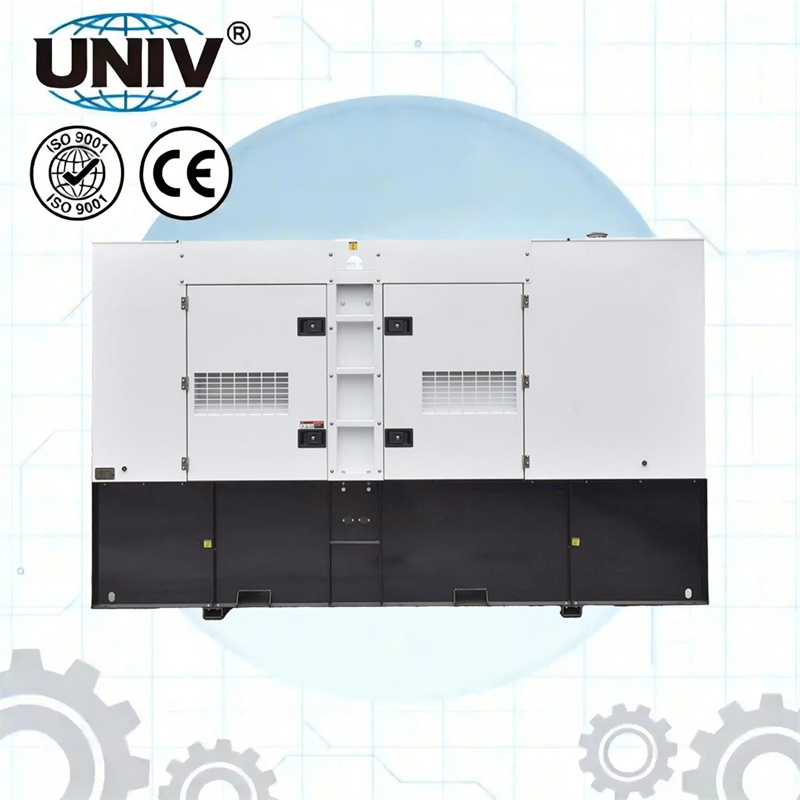
This is perhaps the most dangerous mistake in generator procurement—and one that causes more long-term damage than most buyers realize. The distinction between standby and prime power ratings is not a technical nuance; it is a fundamental difference in how the generator is designed to be used.
Standby poweris intended for emergency backup during utility outages—short-duration operation, typically no more than 200–500 hours per year.Prime power, by contrast, is designed for continuous operation as the primary power source, capable of running thousands of hours annually with variable loads.
Some sellers exploit this confusion, marketing standby-rated units as if they were suitable for prime-power applications. When a standby generator is pressed into continuous service, it ages rapidly, suffers accelerated wear, and creates genuine safety hazards. A common trick is presenting "backup power" (which can only run for 1 hour in every 12) as a continuous rating.
The solution: Clearly define your application. If the generator will run continuously—in mining, construction, or remote operations—you need a prime-power rated unit. If it is solely for emergency backup during power outages, a standby-rated unit may suffice. Never allow a seller to substitute one for the other.
Pitfall 4: Ignoring After-Sales Support and Service
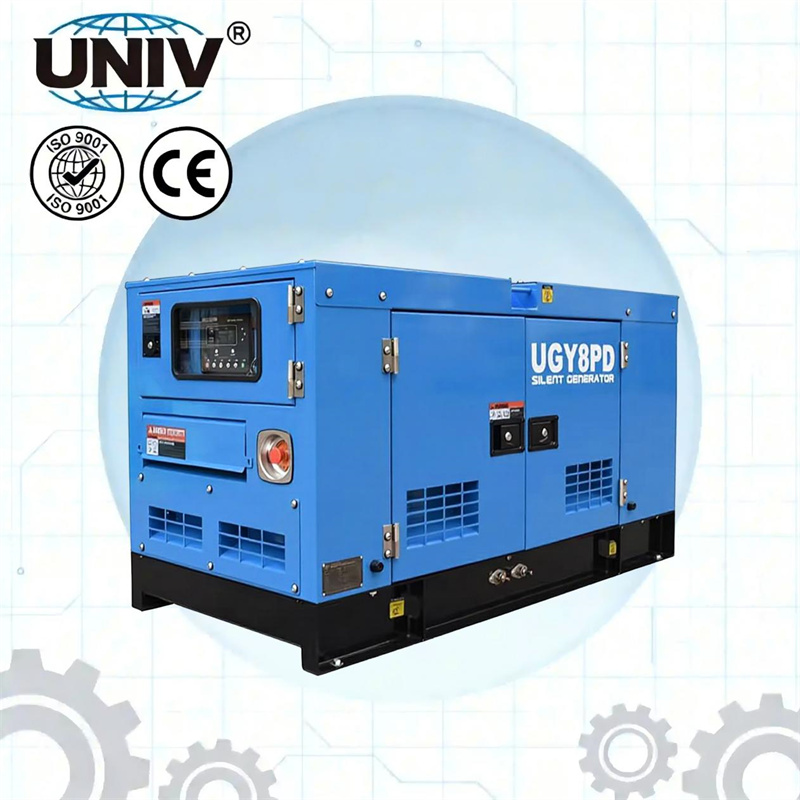
A generator is not a disposable product. It requires installation, commissioning, periodic maintenance, and—inevitably—occasional repairs. Buyers who prioritize the lowest upfront price often find themselves with no technical support, no warranty coverage, and no one to call when the unit fails.
Small workshop producers can offer rock-bottom prices precisely because they have no service infrastructure. When a generator breaks down—and all generators eventually require service—the buyer is left stranded, facing production delays and emergency costs that far exceed the initial "savings."
The solution: Source from established manufacturers with a track record of after-sales support. Look for suppliers who offer installation guidance, routine inspection services, and emergency repair response. A reputable manufacturer will provide comprehensive commissioning documentation, including factory test reports and emissions compliance certificates. Remember: the true cost of ownership extends far beyond the purchase price.
Pitfall 5: Neglecting Application-Specific Requirements
A generator that performs perfectly in one environment may fail catastrophically in another. Yet many buyers select a unit based solely on power output, ignoring the environmental and operational conditions it will face.
In humid or flood-prone environments, standard generators without waterproof enclosures are vulnerable to electrical shorts and corrosion. In residential areas, units without soundproofing can generate noise complaints and regulatory violations. At high altitudes, generators require power derating to compensate for reduced air density. In dusty mining operations, enhanced air filtration and pressurized control panels are essential.
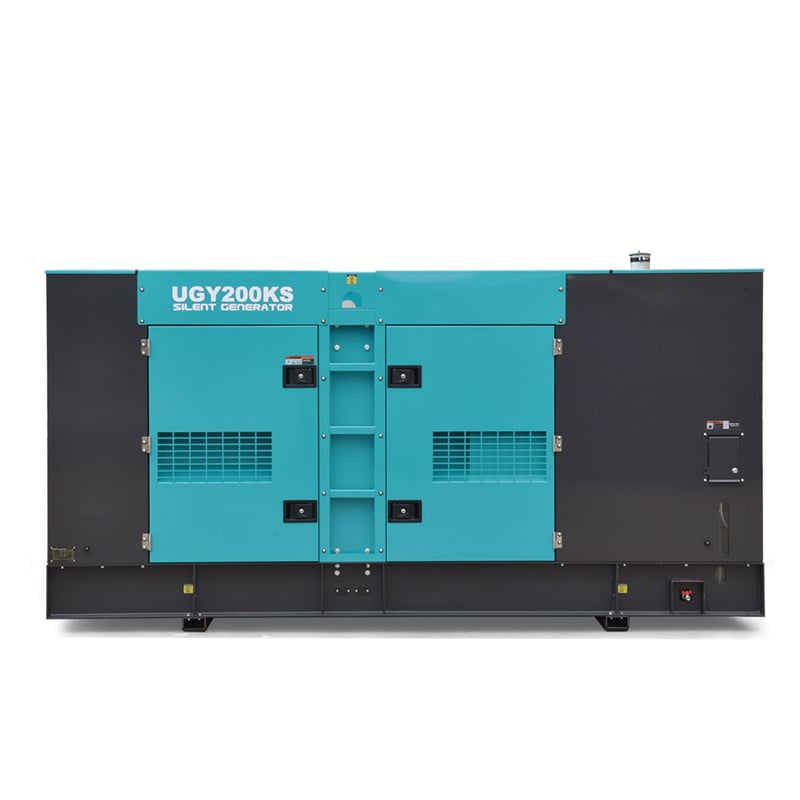
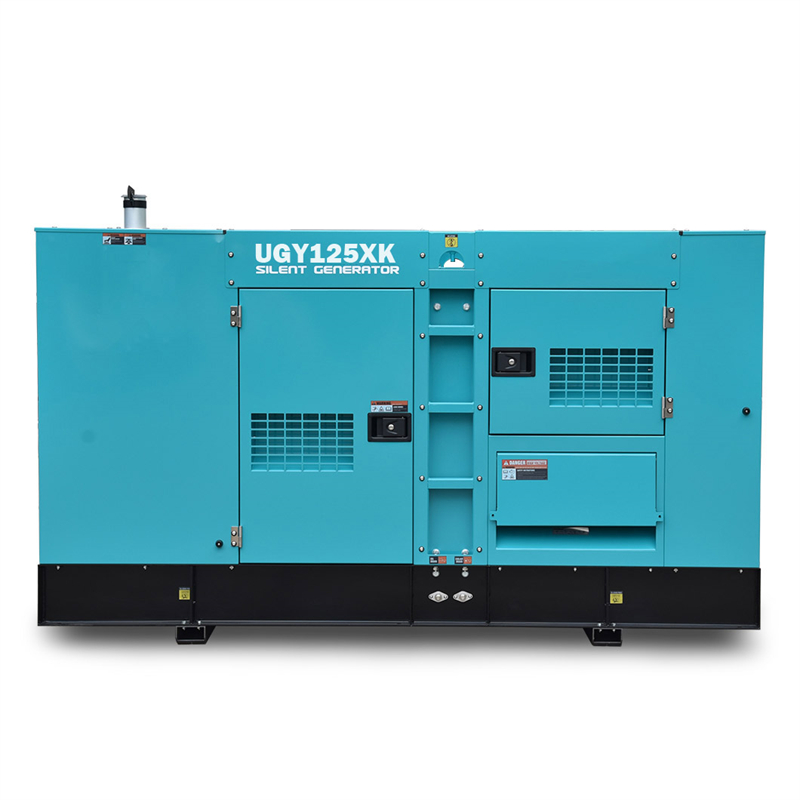
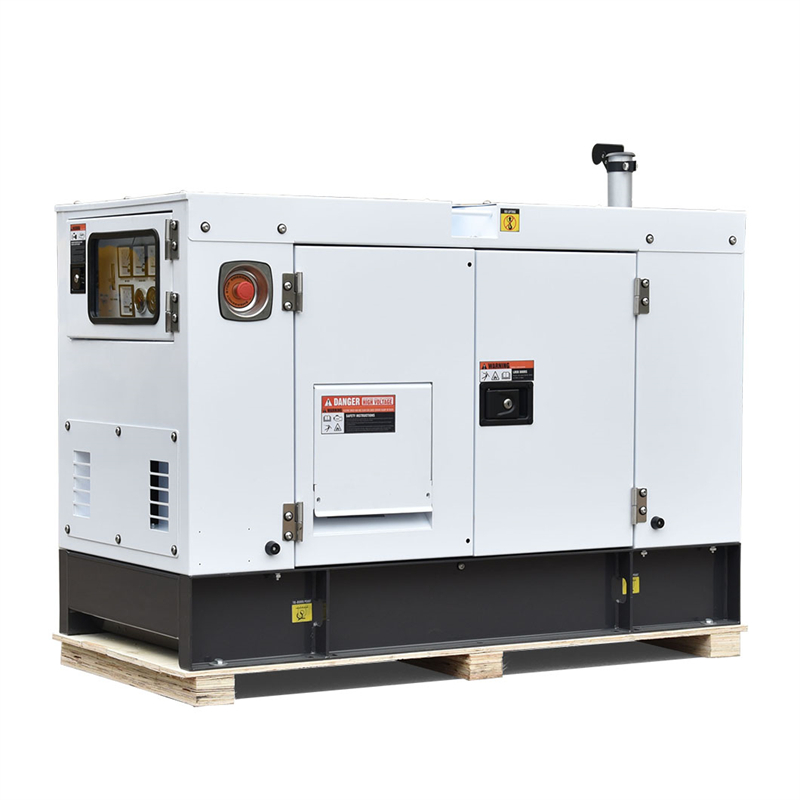
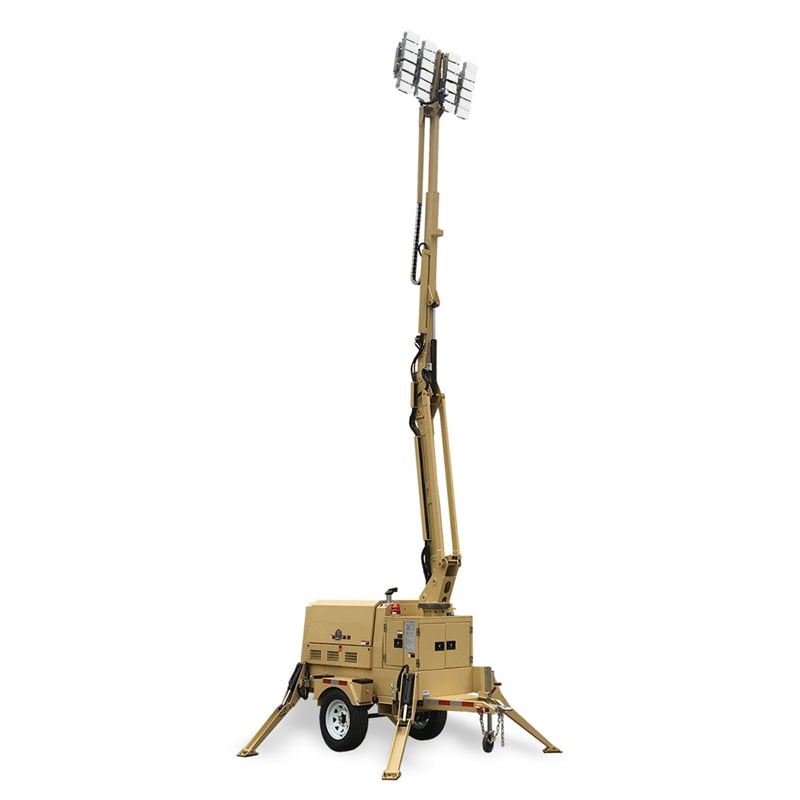
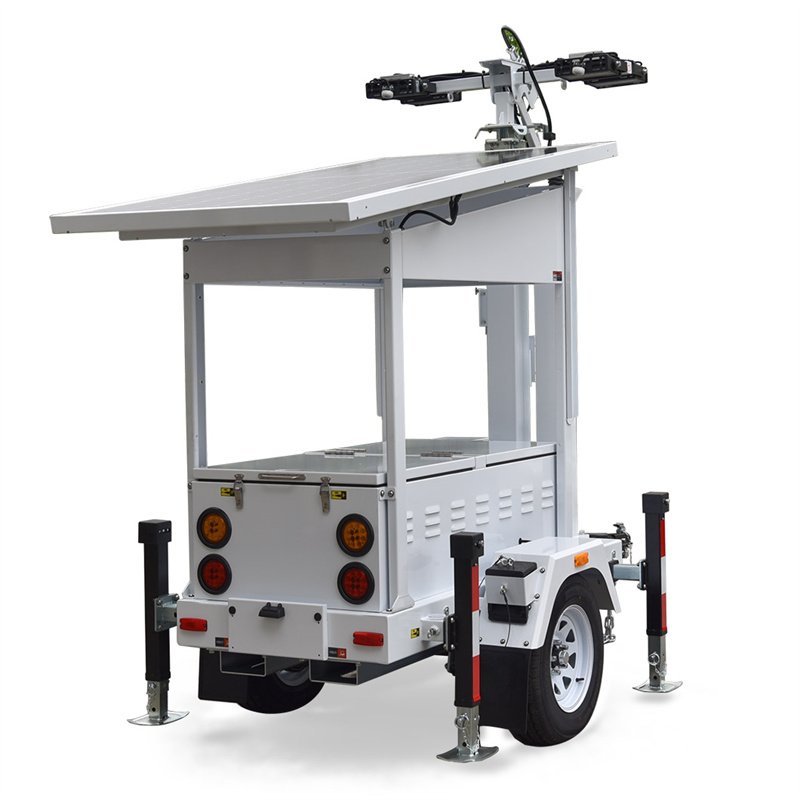
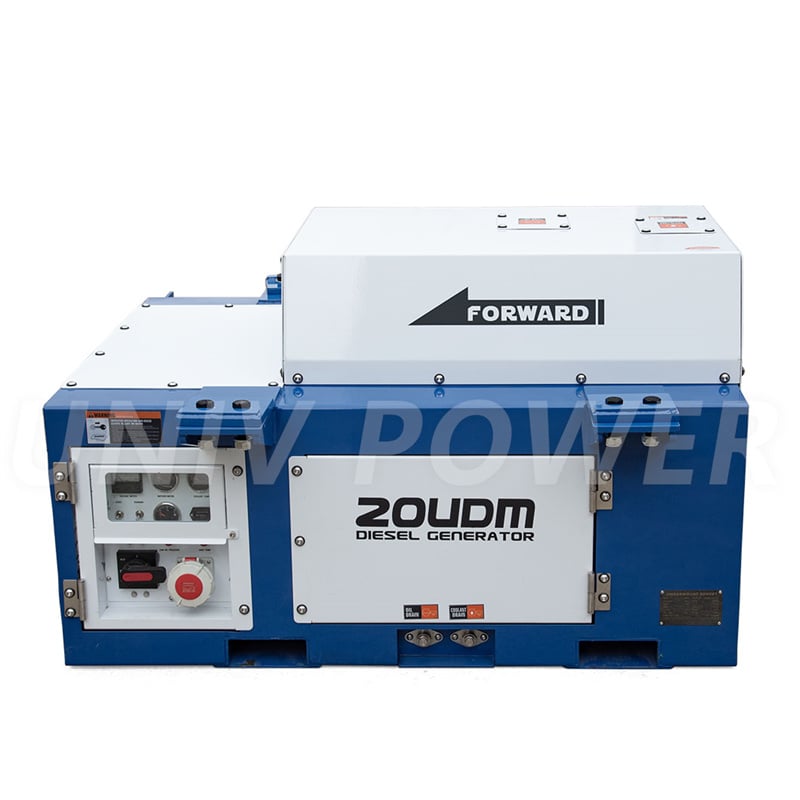
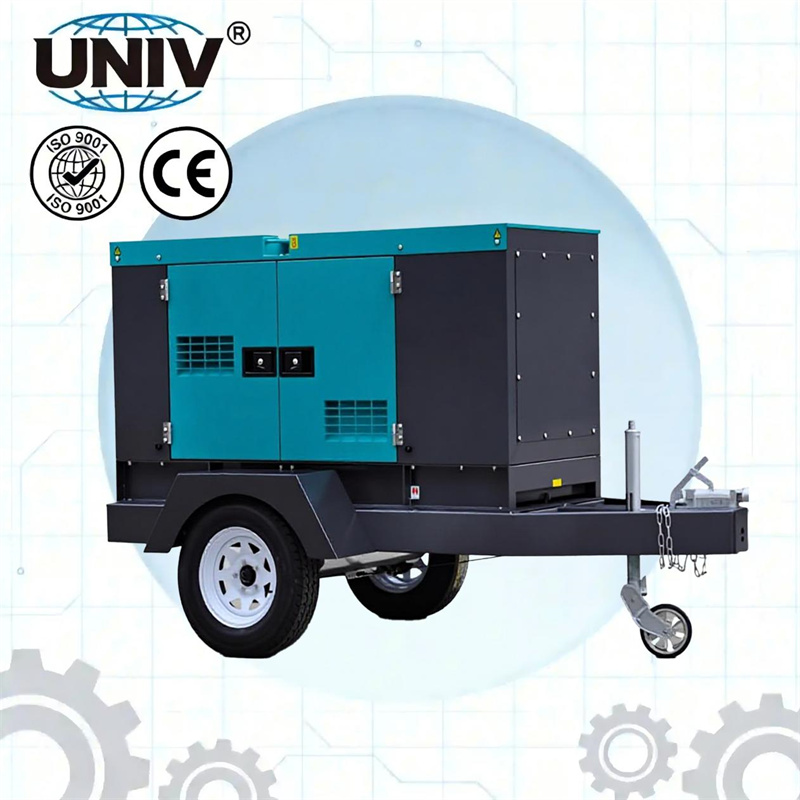
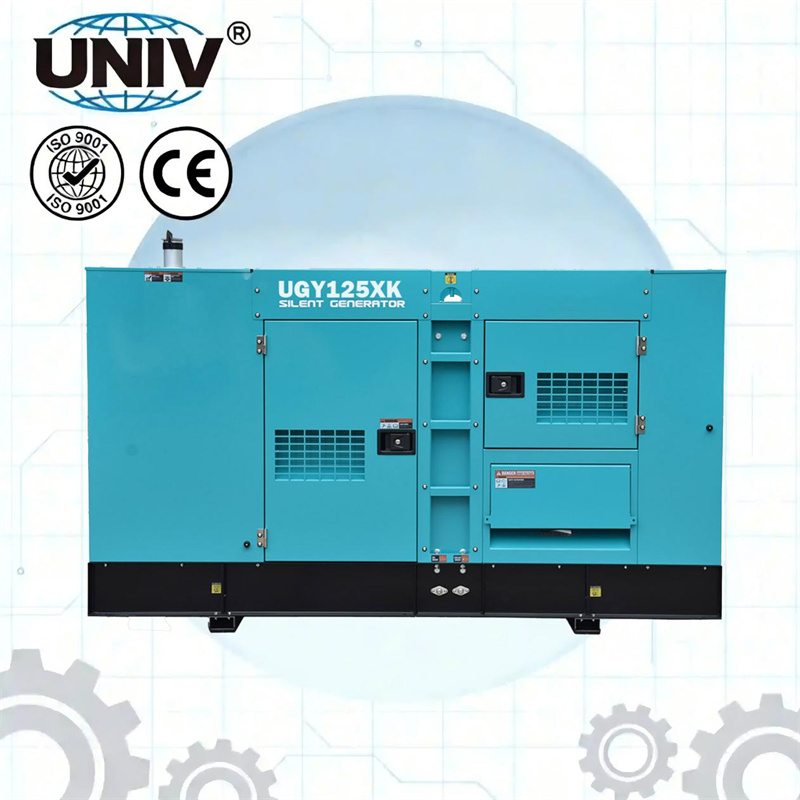
The solution: Match the generator configuration to the specific operating environment. Consider ambient temperature, altitude, noise restrictions, dust exposure, and mobility requirements. For mobile operations, trailer-mounted or containerized units offer deployment flexibility. For fixed installations, consider weatherproof and silent canopy designs that integrate protection and noise control.
The Bottom Line: Invest Wisely, Not Cheaply
Generator procurement is not a commodity purchase. The unit that costs half as much upfront can easily cost twice as much in repairs, downtime, and lost productivity over its lifetime. The key to a successful purchase lies in looking beyond the price tag:
· Verify real power output, not stated ratings.
· Inspect component quality, not just exterior appearance.
· Understand the duty cycle—standby, prime, or continuous.
· Secure after-sales support from a reputable source.
· Match the configuration to the actual operating environment.
A generator set is not a product for experimentation. It must operate reliably—today, tomorrow, and for years to come. The few extra dollars invested upfront in a properly specified, quality-built unit from a reputable manufacturer will pay dividends in reliability, longevity, and peace of mind.
If you are interested in the backup diesel generator set, please contact us.
Media Contact:
Name:CeCe Wu
Email: [email protected]
Phone: +86 13567080758
Whatsapp: +86 13567080758
 Hot News
2026-08-14
2026-07-17
2026-07-08
2026-06-03
2026-05-26
2026-04-16
Welcome to UNIV POWER, Our products offer ODM and OEM services, including power generation set, lighting towers and air compressors, etc.
No. 18-9 Nanshan Road, Qujiang District, Quzhou City, Zhejiang Province
Copyright © Zhejiang Universal Trading Co.,Ltd. All Rights Reserved Privacy Policy Blog
 EN
EN