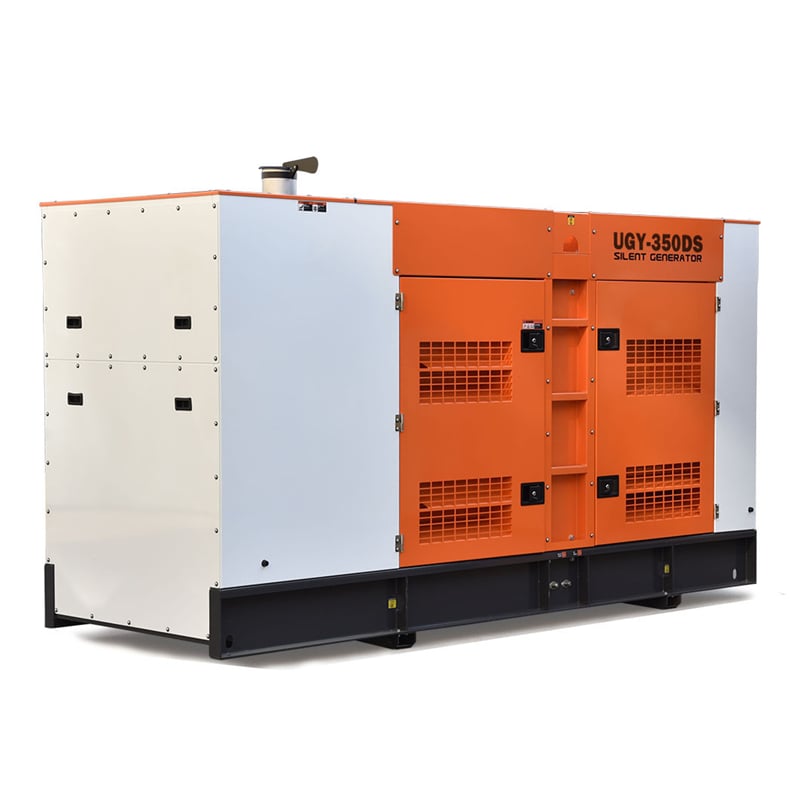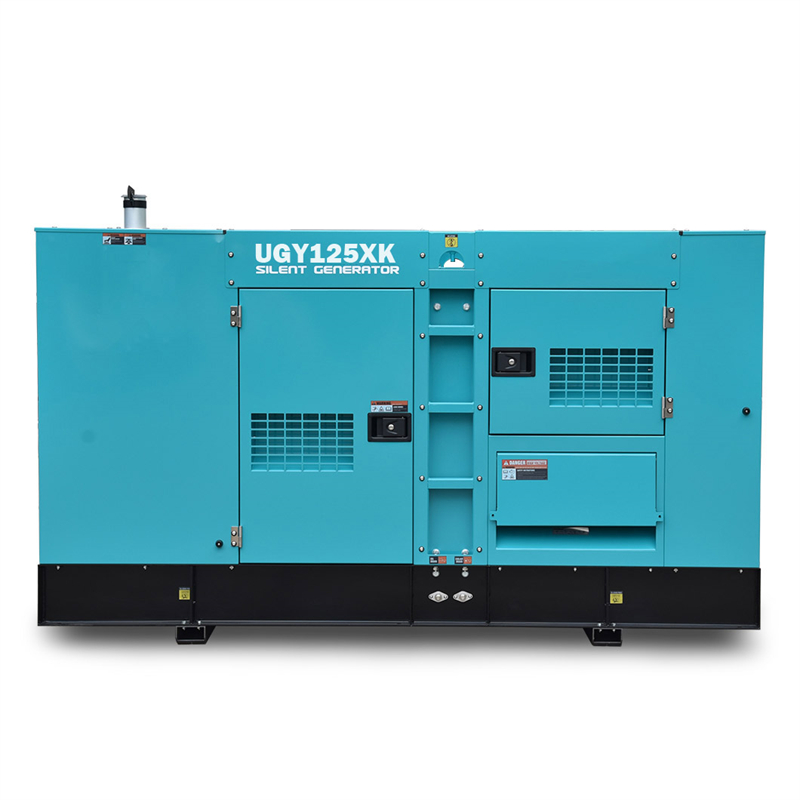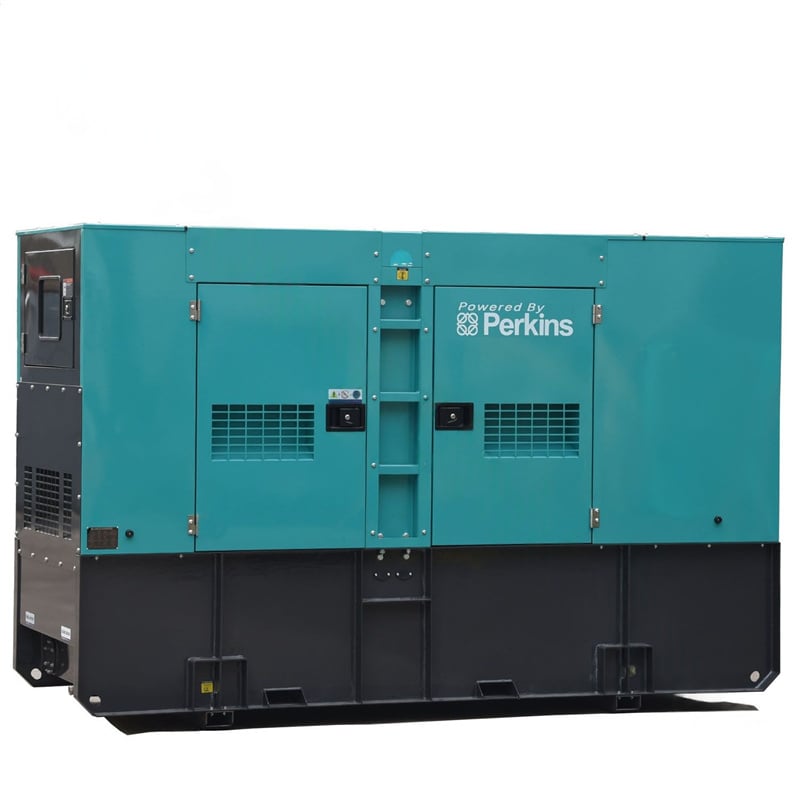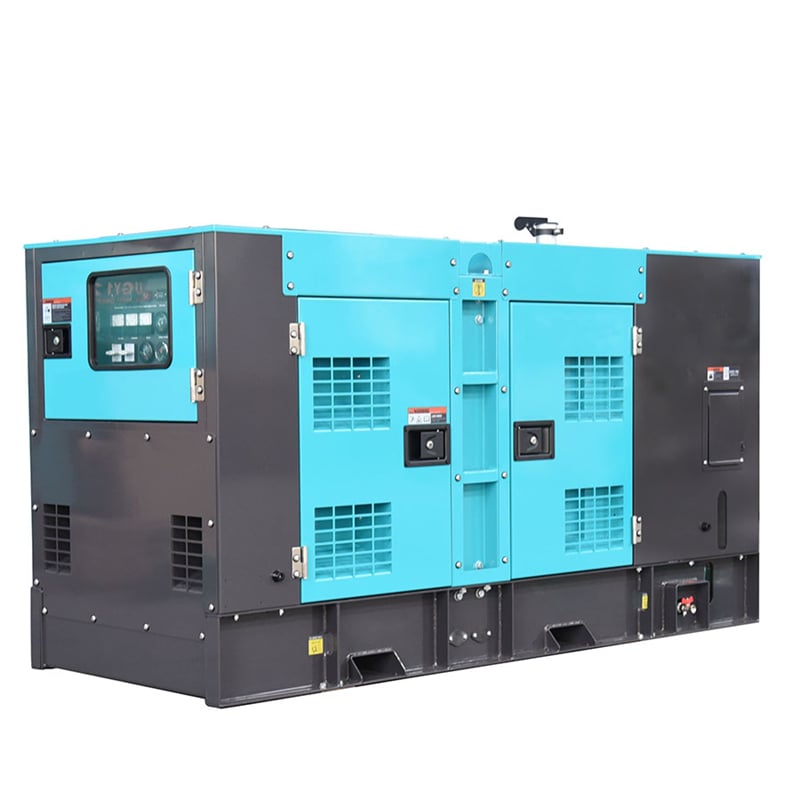
In an era of increasing grid instability and growing demand for reliable backup power, diesel generators serve as the unwavering guardians of critical infrastructure—from hospitals and data centers to construction sites and remote facilities. However, this vital role comes with significant responsibility. A generator is not a "set-and-forget" appliance; it is a complex piece of heavy machinery that combines high-temperature combustion, high-voltage electricity, and flammable fuel. Each year, preventable accidents—including carbon monoxide poisoning, electrocution, fires, and mechanical injuries—occur due to complacency or a lack of standardized safety knowledge. Establishing and enforcing rigorous operational protocols is not merely about compliance; it is the fundamental barrier between reliable power provision and catastrophic failure.
Safety in generator operation is a holistic discipline, encompassing pre-start checks, runtime vigilance, maintenance procedures, and environmental management. The following framework outlines five non-negotiable pillars of safe diesel generator operation, designed to protect personnel, preserve assets, and ensure continuous functionality.
Pillar 1: Adherence to Manufacturer Protocols & Proactive Maintenance
The manufacturer's operation and maintenance (O&M) manual is the foundational document for safe use. It contains model-specific thresholds, tolerances, and procedures developed through extensive engineering and testing.
Beyond Basic Reading: Competency requires that authorized operators not only have read the manual but have been trained on its specific application for their unit. This includes understanding start/stop sequences, recognizing normal versus abnormal parameter ranges (coolant temperature, oil pressure, voltage frequency), and knowing immediate shutdown triggers.
The "Stop Immediately" Doctrine: Operators must be empowered and required to execute an emergency shutdown upon detecting any defect—be it a coolant leak, unusual vibration, erratic voltage, or the smell of burning insulation. Continuing operation under a known fault dramatically escalates the risk of secondary, more severe damage.
Maintenance as a Risk-Control Strategy: A formal, scheduled maintenance program following OEM intervals is the most effective form of risk mitigation. It replaces components before they fail, identifies wear patterns indicative of developing problems, and ensures that safety-critical systems like shutdown sensors and circuit breakers are fully functional.
Pillar 2: Combustion Air & Exhaust Gas Management
The chemical process powering the generator produces two primary byproducts: immense heat and toxic exhaust gases, primarily carbon monoxide (CO). Managing these is a matter of life and death.
Ventilation: A Dual Requirement: The engine room must provide ample combustion air for the engine to run efficiently and cooling air to remove waste heat from the radiator and generator head. Blocked air intakes lead to power loss, overheating, and incomplete combustion, which increases soot and harmful emissions.
Exhaust System Integrity: The exhaust piping must be engineered for the application—using appropriate materials, maintaining downward slope away from the engine to prevent condensate backflow, and securely supported to avoid fatigue cracks. Regular inspections for leaks, particularly at flex joints and manifolds, are critical. CO is odorless and deadly; a leak within an enclosed space can render occupants unconscious within minutes.
Pre-Entry Procedure: A strict protocol must mandate that no one enters a generator enclosure or adjacent spaces immediately after shutdown without first verifying ventilation and, ideally, using a portable CO monitor.
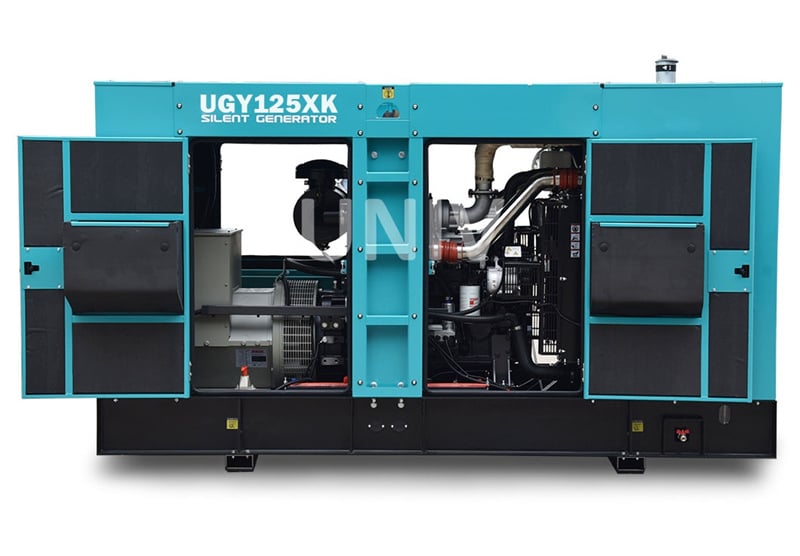
Pillar 3: Electrical Safety: Respect for Invisible Hazard
Generators produce lethal voltage levels. Safe electrical practices must be ingrained in all procedures.
Lock-Out, Tag-Out (LOTO): Before performing any service—from changing a light bulb on the canopy to inspecting main circuit breakers—the unit must be completely isolated. This means shutting down the engine, disconnecting the starting batteries, and, in parallel systems, physically locking out the automatic transfer switch (ATS) from the utility feed.
Qualified Personnel Only: Electrical terminations, load bank testing, and synchronization work must be performed by qualified electricians familiar with local codes and generator-specific requirements. Improper torque on lugs or incorrect cable sizing can create high-resistance points that overheat, causing fires.
Moisture is the Enemy: Electrical panels, controllers, and connection boxes must be kept sealed and dry. Operating in damp conditions or washing down a unit without protecting electrical components invites ground faults and short circuits.
Pillar 4: Fuel & Fire Hazard Mitigation
Diesel fuel is less volatile than gasoline but still highly combustible, and its vapors can be ignited by a single spark.
Fuel Handling Hygiene: Refueling must only occur with the engine off and cool. Static electricity dissipation is crucial; fuel nozzles should maintain contact with the fill neck. Spills must be contained and cleaned immediately using appropriate absorbents—never washed into drains.
Housekeeping: The generator area must be kept free of combustible materials: loose rags, cardboard, flammable liquids, and unnecessary debris. This minimizes the fuel source for a potential fire.
Fire Suppression Readiness: A properly rated (Class ABC or BC) fire extinguisher must be mounted prominently near the exit of the generator room. More importantly, staff must know its location and be trained in its use. For larger or mission-critical installations, fixed fire suppression systems should be evaluated.
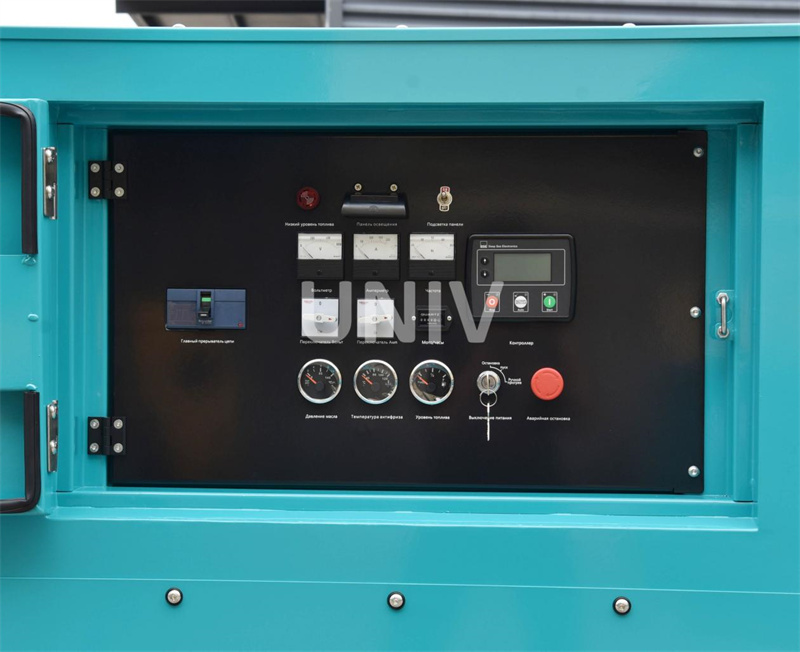
Pillar 5: Personal Protective Equipment & Safe Work Practice
The final layer of defense is the individual operator's preparation and behavior.
Mandatory PPE: Baseline PPE for routine checks and operation includes safety glasses (for protection against flying debris or coolant spray) and heavy-duty gloves (for handling hot surfaces or sharp edges). During maintenance, hearing protection, steel-toed boots, and appropriate respirators may be required.
Situational Awareness: Operators must avoid loose clothing, jewelry, or untied long hair that could be caught in rotating fans or drive belts. The environment should be assessed for slipping hazards (oil, coolant) or tripping hazards (tools, cables).
The Buddy System: Especially when troubleshooting, performing initial starts on a serviced unit, or working in confined spaces, the "no lone worker" rule should apply. A second person provides immediate assistance in case of an accident and can summon emergency help.
Conclusion: Cultivating a Culture of Safety
Ultimately, diesel generator safety transcends a checklist. It is a culture that must be cultivated by management, championed by supervisors, and practiced daily by every operator. This culture values procedure over shortcut, preventative action over reactive repair, and collective safety over individual expediency. Investing in comprehensive training, clear documentation, and the right tools is an investment in human safety and operational continuity. In the demanding world of power generation, where the stakes of failure are high, a rigorous, disciplined approach to safety is the most reliable circuit breaker of all.
Ensure your operation is powered by safety as much as by diesel. Our team offers comprehensive site safety audits, operator certification training, and maintenance program development tailored to your specific generator assets and operational environment. Contact us to build a foundation of safety that ensures your power remains on, without incident.
____________
If you are interested in the backup diesel generator set, please contact us.
Media Contact:
Name:William
Email: [email protected]
Phone: +86 13587658958
Whatsapp: +86 13587658958
 Hot News
2026-08-14
2026-07-17
2026-07-08
2026-06-03
2026-05-26
2026-04-16
Welcome to UNIV POWER, Our products offer ODM and OEM services, including power generation set, lighting towers and air compressors, etc.
No. 18-9 Nanshan Road, Qujiang District, Quzhou City, Zhejiang Province
Copyright © Zhejiang Universal Trading Co.,Ltd. All Rights Reserved Privacy Policy Blog
 EN
EN