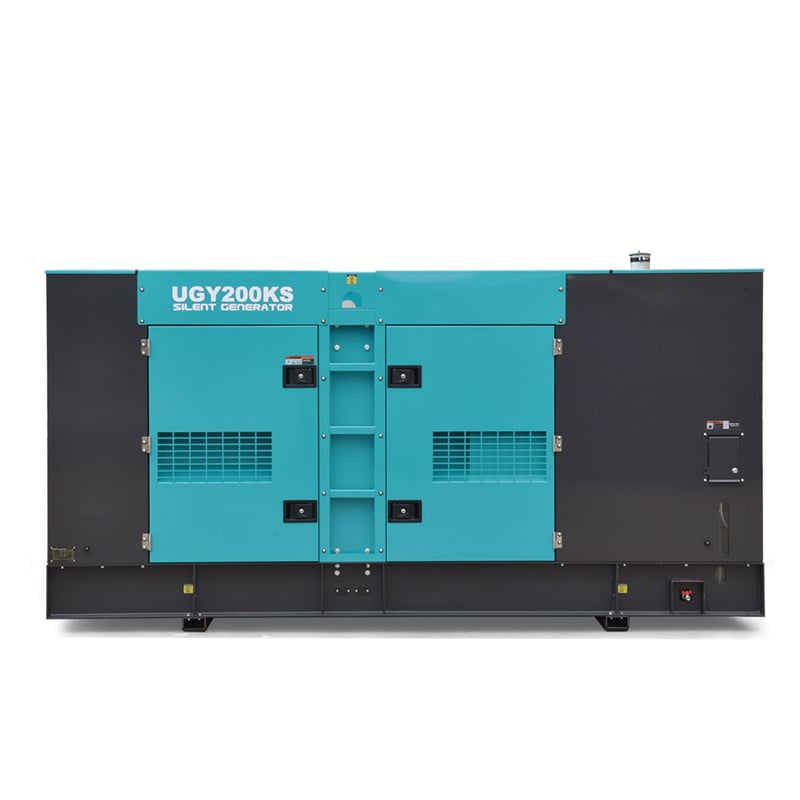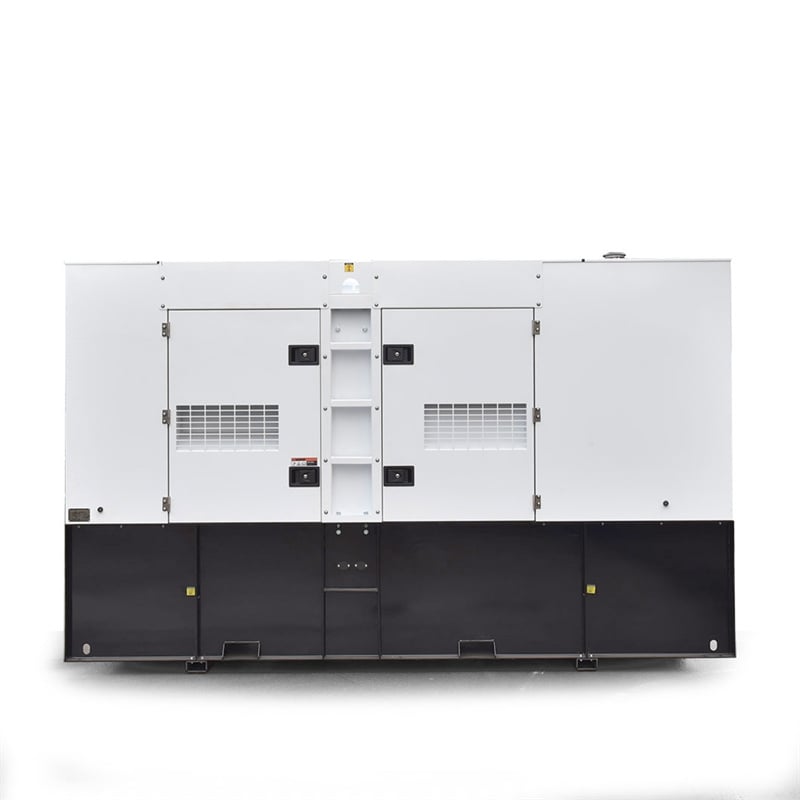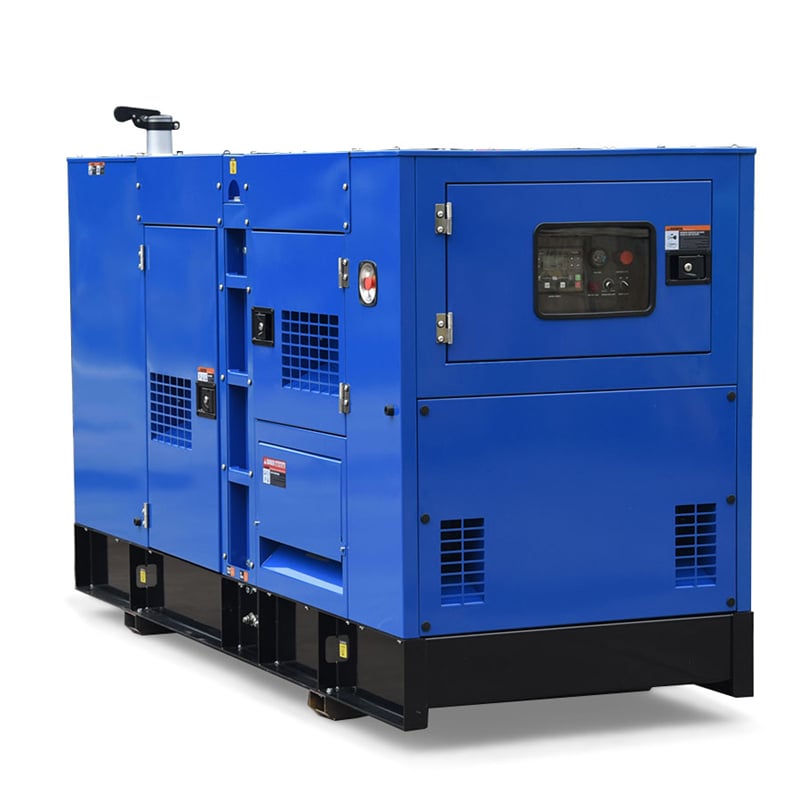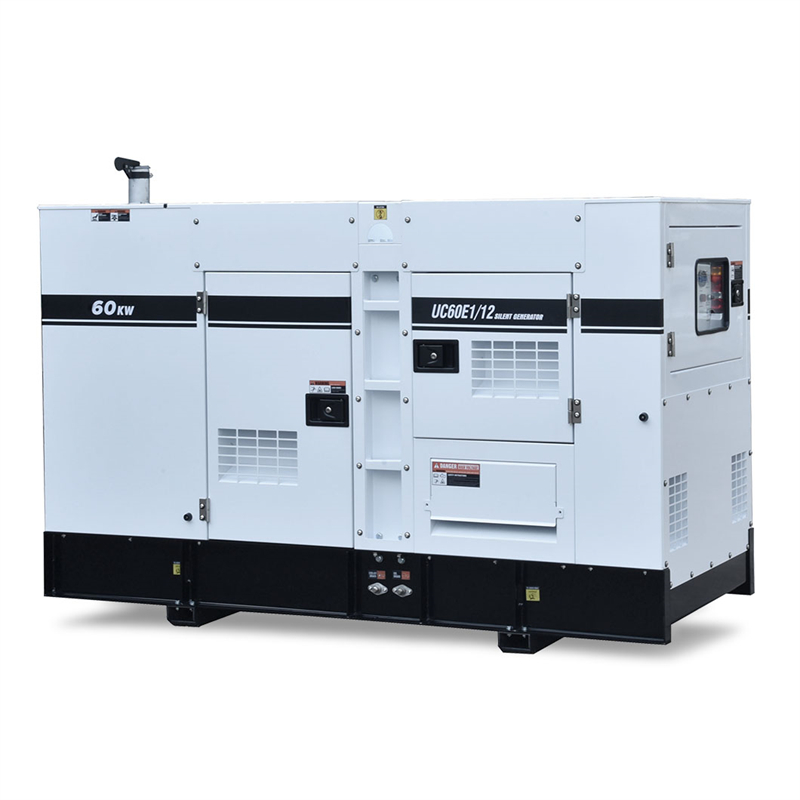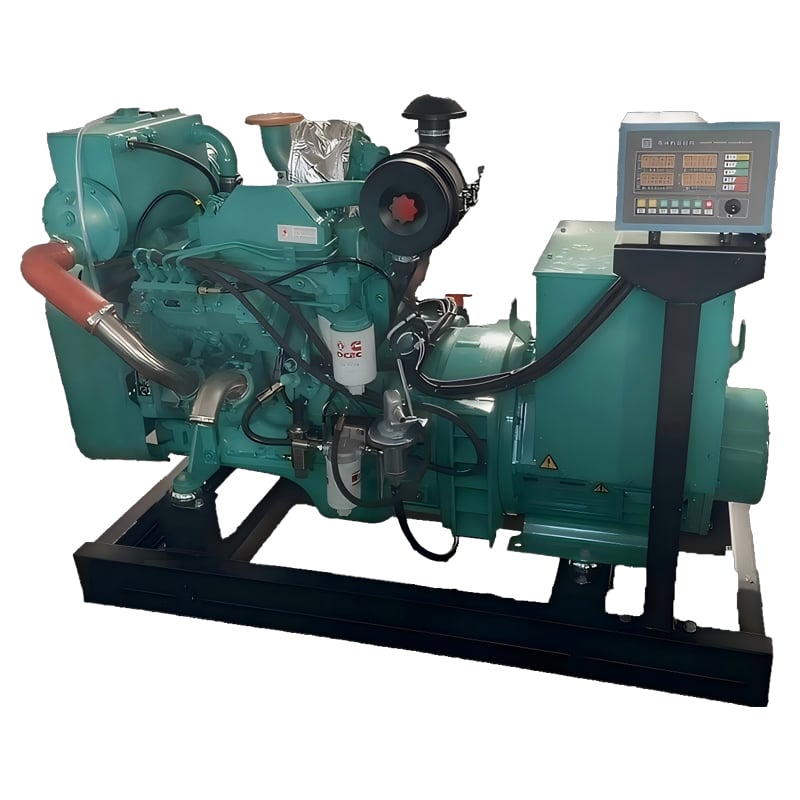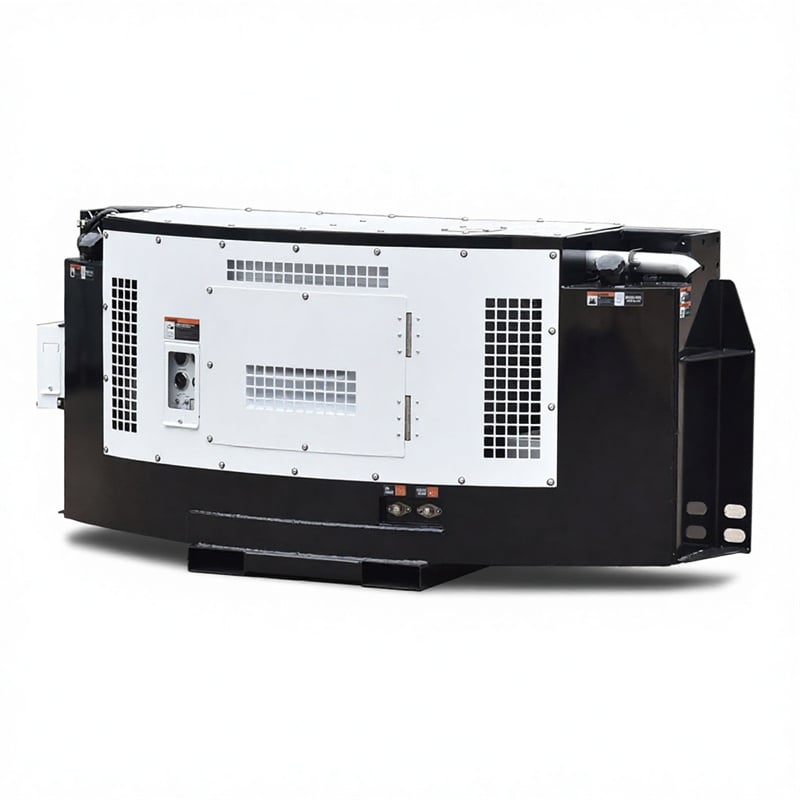
ສຳລັບຜູ້ຈັດການສິ່ງອຳນວຍຄວາມສະດວກ, ຜູ້ດຳເນີນການສູນຂໍ້ມູນ, ແລະ ຜູ້ໃດກໍຕາມທີ່ອີງໃສ່ເຄື່ອງປ່ອນໄຟດີເຊວເປັນຕົ້ນແຫຼ່ງພະລັງງານຫຼັກ ຫຼື ພະລັງງານສຳ dự, ສິ່ງທີ່ເຮັດໃຫ້ຮູ້ສຶກຢ້ານກົວຫຼາຍທີ່ສຸດກໍຄື ການທີ່ເຄື່ອງວັດແທກອຸນຫະພູມເລີ່ມສູງຂຶ້ນ ຫຼື ມີສັນຍານເຕືອນວ່າເຄື່ອງຮ້ອນເກີນໄປ. ເຄື່ອງປ່ອນໄຟດີເຊວທີ່ຮ້ອນເກີນໄປບໍ່ໄດ້ເປັນພຽງບັນຫາເລັກນ້ອຍເທົ່ານັ້ນ, ແຕ່ເປັນສັນຍານທີ່ສຳຄັນຢ່າງຍິ່ງ ເຊິ່ງຖ້າຖືກລະເລີຍງ ອາດຈະນຳໄປສູ່ຄວາມລົ້ມເຫຼວຂອງເຄື່ອງຈັກຢ່າງຮຸນແຮງໄດ້ຢ່າງໄວວາ, ລວມທັງຫົວສູບທີ່ເບິ່ງເປັນຮູບແຕກ, ຕົວເຄື່ອງທີ່ແຕກ, ແລະ ລູກສູບທີ່ຕິດ. ຄວາມເສຍເວລາທີ່ເກີດຂື້ນຈາກການຢຸດເຄື່ອງ ແລະ ຄ່າໃຊ້ຈ່າຍໃນການຊ່ວຍເຫຼືອອາດຈະເປັນອັນຕະລາຍຫຼາຍ. ການເຂົ້າໃຈເຫດຜົນພື້ນຖານທີ່ເຮັດໃຫ້ເກີດບັນຫາ ແລະ ການນຳໃຊ້ວິທີການວິເຄາະທີ່ເປັນເຫດເປັນຜົນ ແມ່ນມີຄວາມສຳຄັນຢ່າງຍິ່ງຕໍ່ຄວາມເຂັ້ມແຂງໃນການດຳເນີນງານ.
ການຮ້ອນເກີນໄປເກີດຂຶ້ນເມື່ອຄວາມຮ້ອນທີ່ເກີດຈາກການເຜົາไหมເກີນຄວາມສາມາດຂອງລະບົບການລະເຢັນໃນການຖ່າຍເອົາຄວາມຮ້ອນອອກ. ຄວາມບໍ່ສົມດຸນນີ້ອາດເກີດຈາກບັນຫາຫຼາຍຢ່າງ ເຊິ່ງມັກຈະເຊື່ອມຕໍ່ກັນ ໃນລະບົບການລະເຢັນ ຫຼື ຈາກຄວາມຕ້ອງການໃນການໃຊ້ງານທີ່ຫຼາຍເກີນໄປ. ວິທີການທີ່ເປັນການຕອບສະຫນອງຕໍ່ບັນຫາ (Reactive approach) – ເຊັ່ນ: ການເຕີມນ້ຳຢາລະເຢັນເຂົ້າໄປເທົ່ານັ້ນ – ຈະເຮັດໃຫ້ບັນຫາຖືກປິດບັງໄວ້ເທົ່ານັ້ນ. ວິທີການທີ່ເປັນການເພີ່ມຄວາມເປັນເຈົ້າຂອງ (Proactive approach) ແລະ ມີລະບົບການສືບສວນຢ່າງເປັນລະບົບ ແມ່ນວິທີດຽວທີ່ຈະຮັບປະກັນຄວາມເຊື່ອຖືໄດ້ໃນໄລຍະຍາວ.
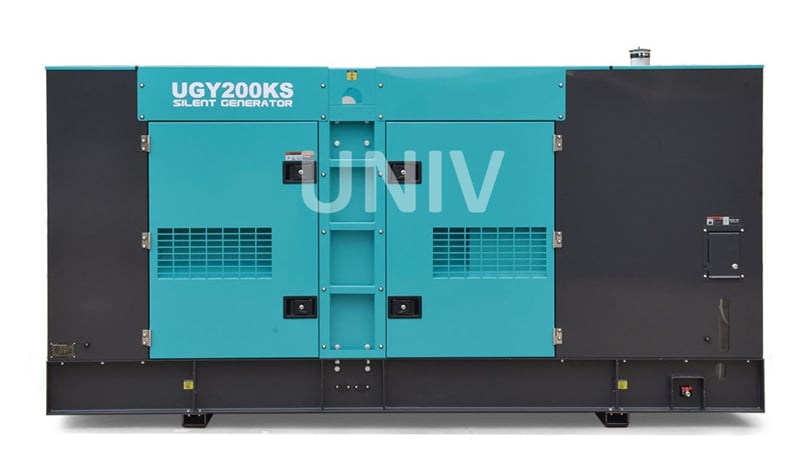
ເຈັດປັດໄຈຫຼັກທີ່ເຮັດໃຫ້ເກີດບັນຫາ: ການສືບສວນຢ່າງລະອຽດ
ຂະບວນການການແກ້ໄຂບັນຫາຢ່າງເປັນລະບົບເລີ່ມຕົ້ນດ້ວຍການກຳນົດເຫດຜູ້ທີ່ເປັນໄປໄດ້ຫຼາຍທີ່ສຸດ, ໂດຍຈັດປະເພດທີ່ນີ້ຈາກເຫດທີ່ເກີດຂຶ້ນບໍ່ເທົ່າໃດ ໄປຫາເຫດທີ່ສັບສົນທີ່ສຸດ.
1. ບໍ່ມີນ້ຳຢາລະເຢັນພຽງພໍ ຫຼື ນ້ຳຢາລະເຢັນເສື່ອມຄຸນນະພາບ
ເຫດຜູ້ທີ່ງ່າຍທີ່ສຸດແມ່ນການທີ່ມີປະລິມານນ້ຳຢາລະເຢັນບໍ່ພຽງພໍ ຫຼື ມີຄຸນນະພາບທີ່ບໍ່ດີ. ປະລິມານທີ່ຕ່ຳຈະຫຼຸດຜ່ອນມວນນ້ຳທີ່ສາມາດດູດຊຶມຄວາມຮ້ອນໄດ້ຂອງລະບົບ, ໃນຂະນະທີ່ນ້ຳຢາລະເຢັນເກົ່າຈະສູນເສຍຄຸນສົມບັດໃນການຕ້ານການກັດກິນ ແລະ ຕ້ານການເດືອນ. ສິ່ງປົນເປືືອນ ຫຼື ສ່ວນປະກອບຂອງນ້ຳຢາລະເຢັນທີ່ບໍ່ຖືກຕ້ອງ (ເຊັ່ນ: ອັດຕາສ່ວນນ້ຳຕໍ່ນ້ຳຢາຕ້ານເດືອນທີ່ບໍ່ຖືກຕ້ອງ) ອາດຈະເຮັດໃຫ້ຈຸດເດືອນຕ່ຳລົງ ແລະ ເຮັດໃຫ້ເກີດການປູກສາກ (scale formation) ໄດ້.
ການດຳເນີນການວິເຄາະ: ສັງເກດລະດັບນ້ຳຢາເຢັນໃນຖັງຂະຫຍາຍໂດຍການເບິ່ງດ້ວຍຕາເມື່ອເຄື່ອງຈັກຢູ່ໃນສະພາບເຢັນ. ກວດສອບສະພາບຂອງນ້ຳຢາເຢັນເພື່ອຊອກຫາການປ່ຽນສີ ຫຼື ມີນ້ຳມັນປົນເປື້ອນ. ສອບສອບຄວາມຕ້ານທາງການເຢັນ/ເດືອດດ້ວຍເຄື່ອງວັດແທກຄ່າດັດແປງຂອງແສງ (refractometer).
2. ການຂັດຂວາງການລົມຜ່ານເຄື່ອງເຢັນ
ເຄື່ອງເຢັນເປັນເຄື່ອງແລກປ່ຽນຄວາມຮ້ອນຫຼັກ. ປະສິດທິພາບຂອງມັນຈະຖືກບຸບເສີນຢ່າງຮຸນແຮງຈາກການຂັດຂວາງດ້ານນອກ—ເຊັ່ນ: ຝຸ່ນ, ໃບໄມ້, ຫຼື ຂີ້ເຫຍື້ອພາດສະຕິກທີ່ອຸດຕັນເສັ້ນໃຍຂອງເຄື່ອງເຢັນ—ຫຼື ຈາກການອຸດຕັນດ້ານໃນທີ່ເກີດຈາກການຈັບຕົວຂອງເກີດເປື້ອນ ຫຼື ການກັດກິນ. ບັນຫາທີ່ອັນຕະລາຍເປັນພິເສດຄື ຊັ້ນນ້ຳມັນທີ່ເກີດຈາກເຄື່ອງເຢັນທີ່ຮັ່ວ, ເຊິ່ງຈະເກີດເປັນຊັ້ນຝຸ່ນທີ່ຫຸ້ມເສັ້ນໃຍຂອງເຄື່ອງເຢັນ ແລະ ເຮັດໜ້າທີ່ເປັນສານກັນຄວາມຮ້ອນທີ່ມີປະສິດທິພາບສູງ.
ການດຳເນີນການວິເຄາະ: ດຳເນີນການສັງເກດດ້ວຍຕາ. ລ້າງເສັ້ນໃຍດ້ວຍອາກາດທີ່ມີຄວາມດັນຕ່ຳ ຫຼື ນ້ຳຈາກດ້ານເຄື່ອງຈັກໄປຫາດ້ານນອກ. ໃນກໍລະນີທີ່ມີນ້ຳມັນປົນເປື້ອນ, ຈຳເປັນຕ້ອງໃຊ້ນ້ຳຢາລ້າງທີ່ເປັນພິເສດ. ພິຈາລະນາການທົດສອບການລົມຜ່ານດ້ວຍມືອາຊີບ ຫຼື ການຖ່າຍຮູບຄວາມຮ້ອນເພື່ອກວດຫາການອຸດຕັນດ້ານໃນ.
3. ການບອກຄ່າອຸນຫະພູມຜິດປົກກະຕິ
ບໍ່ທຸກຄັ້ງທີ່ເສຽງເຕືອນຈະບີກວ່າມີບັນຫາດ້ານເຄື່ອງຈັກທີ່ແທ້ຈິງ. ການລົ້ມເຫຼວຂອງເຊັນເຊີອຸນຫະພູມນ້ຳຢືນ, ລວມທີ່ສັ້ນ, ຫຼື ການເຮັດວຽກຜິດປົກກະຕິຂອງແຖວມາດຕະການອາດເຮັດໃຫ້ເກີດເສຽງເຕືອນວ່າເຄື່ອງຮ້ອນເກີນໄປຢ່າງຜິດພາດ, ສົ່ງຜົນໃຫ້ຕ້ອງຢຸດການໃຊ້ງານຢ່າງບໍ່ຈຳເປັນ.
ການດຳເນີນການວິເຄາະ: ຢືນຢັນເສຽງເຕືອນດ້ວຍເຄື່ອງວັດແທກອຸນຫະພູມແສງອິນຟຣາເຣັດທີ່ຖືກຕ້ອງແລະມີການປັບຄ່າແລ້ວ. ວັດອຸນຫະພູມທີ່ບ່ອນຕິດຕັ້ງເທີໂມສະຕາ (thermostat housing) ຫຼື ບ່ອນທໍາອິດຂອງທໍ່ນ້ຳເຢັນທີ່ເຂົ້າເຖິງເຄື່ອງເຢັນ (upper radiator hose) ແລ້ວເປີຽບเทີບກັບຄ່າທີ່ສະແດງຢູ່ໃນແຖວມາດຕະການ.
4. ຄວາມສາມາດໃນການເຮັດວຽກຂອງປັ້ມລະບົບເຢັນບໍ່ພໍເທົ່າທີ່ຕ້ອງການ
ປັ້ມລະບົບເຢັນມີໜ້າທີ່ດຶງຫຼືດັນອາກາດຜ່ານເຄື່ອງເຢັນ. ເຂັມຂັບທີ່ເຫຼືອນ, ມີຄວາມຕຶ່ງຕ່ຳ, ຫຼື ແຕກຫຼືເສື່ອມສະພາບຈະເຮັດໃຫ້ເກີດການລື້ນ ສົ່ງຜົນໃຫ້ຄວາມໄວຂອງປັ້ມລະບົບເຢັນແລະການລົມຜ່ານລະບົບເຢັນຫຼຸດລົງ. ປັ້ມລະບົບເຢັນທີ່ມີແຕ່ງຄັນເສື່ອມສະພາບ ຫຼື ການເຮັດວຽກທີ່ບໍ່ດີຂອງຄລຸດຊັນປັ້ມລະບົບເຢັນ (ໃນລະບົບທີ່ໃຊ້ນ້ຳມັນຫຼືລະບົບວິສະກອດ) ຈະມີຜົນທີ່ຄ້າຍຄືກັນ.
ການດຳເນີນການວິເຄາະ: ຕິດຕາມເຂັມຂັບເພື່ອກວດສອບຄວາມຕຶ່ງ, ຮອຍແ crack, ແລະ ການເສື່ອມສະພາບ. ກວດສອບຄວາມເຂັ້ມແຂງຂອງແຕ່ງຄັນປັ້ມລະບົບເຢັນ. ສຳລັບປັ້ມລະບົບເຢັນທີ່ມີຄລຸດຊັນ, ຟັງສຽງຈາກເບີລິ່ງ ແລະ ກວດສອບຄວາມຕ້ານທານເວລາຫຼຸ້ນດ້ວຍມື (ເມື່ອເຄື່ອງຈັກຢຸດເຮັດວຽນ).
5. ການລົ້ມເຫຼວຂອງປັ້ມລະບົບເຢັນ
ປຸ້ມນ້ຳເປັນຫົວໃຈຂອງວົງຈອນການເຢັນ. ການລົ້ມສະລາກຂອງພາກສ່ວນທີ່ຢູ່ໃນຕົວອາດເກີດຂື້ນໄດ້ຫຼາຍຮູບແບບ: ປີກການເຄື່ອນທີ່ (impeller) ທີ່ຖືກກັດກິນຫຼືສຶກຫຼຸດຈະເຮັດໃຫ້ການລົ້ມເຫຼວຫຼຸດລົງ; ປຸກປິດເຊື່ອງເຊື່ອມຕໍ່ເຊື່ອງຫຼືດ (shaft seal) ທີ່ຮັ່ວເຮັດໃຫ້ນ້ຳເຢັນຫຼຸດລົງ; ການລົ້ມສະລາກຂອງບ່ອງເລື່ອນ (bearing) ຈະເຮັດໃຫ້ເກີດສຽງແລະອາດເກີດການຕິດຂັດ.
ການດຳເນີນການວິເຄາະ: ສັງເກດການຮັ່ວຂອງນ້ຳເຢັນຈາກຮູທີ່ເປີດອອກເພື່ອກວດສອບ (weep hole) ຂອງປຸ້ມ. ກວດສອບການເຄື່ອນທີ່ຫຼືຄວາມບໍ່ລຽບຂອງບ່ອງເລື່ອນໂດຍການດຶງ-ເບິ່ງເພື່ອເບິ່ງວ່າມີການເຄື່ອນທີ່ຂອງເຄື່ອງຈັກເຄື່ອນ (fan pulley) ຫຼືບໍ່. ຄວາມແຕກຕ່າງຂອງອຸນຫະພູມຢ່າງເດັ່ນຊັດລະຫວ່າງທໍ່ເຂົ້າແລະທໍ່ອອກຂອງເຄື່ອງເຢັນ (radiator) ເມື່ອເຄື່ອງຈັກຮ້ອນຢູ່ ອາດເປັນສັນຍານຂອງການລົ້ມເຫຼວຂອງການລົ້ມເຫຼວ.
6. ການລົ້ມສະລາກຂອງເຄື່ອງຄວບຄຸມອຸນຫະພູມ (Thermostat)
ເຄື່ອງຄວບຄຸມອຸນຫະພູມ (thermostat) ມີໜ້າທີ່ຄວບຄຸມການລົ້ມເຫຼວຂອງນ້ຳເຢັນເພື່ອຊ່ວຍໃຫ້ເຄື່ອງຈັກເຂົ້າສູ່ອຸນຫະພູມການເຮັດວຽກທີ່ເໝາະສົມຢ່າງໄວວາ. ຖ້າມັນລົ້ມສະລາກໃນສະຖານະທີ່ປິດ, ນ້ຳເຢັນຈະຖືກກັກຢູ່ໃນ "ວົງຈອນນ້ອຍ" ແລະບໍ່ສາມາດໄປເຖິງເຄື່ອງເຢັນ (radiator) ເຮັດໃຫ້ເກີດການຮ້ອນເກີນໄປຢ່າງໄວວາ. ຖ້າມັນລົ້ມສະລາກໃນສະຖານະທີ່ເປີດ, ເຄື່ອງຈັກອາດຈະບໍ່ເຄີຍເຂົ້າເຖິງອຸນຫະພູມທີ່ເໝາະສົມ, ແຕ່ສິ່ງນີ້ບໍ່ເຮັດໃຫ້ເກີດການຮ້ອນເກີນໄປ.
ການດຳເນີນການວິເຄາະ: ນີ້ແມ່ນການທົດສອບທີ່ຄຳນິຍາມ. ຖອນໄທໂມສະຕາດອອກ ແລ້ວຈຸ່ມລົງໃນນ້ຳໃນໝ້ອກທີ່ມີເທີມົມີເຕີ. ເຮັດໃຫ້ນ້ຳຮ້ອນຂຶ້ນ ແລ້ວສັງເກດອຸນຫະພູມທີ່ມັນເລີ່ມເປີດ ແລະ ເວລາທີ່ມັນເປີດຢ່າງເຕັມທີ່ ໂດຍປຽບທຽບກັບຂໍ້ກຳນົດ (ປົກກະຕິແລ້ວຈະເປີດຢ່າງເຕັມທີ່ທີ່ 90-95°C / 195-203°F).
7. ການໂຫຼດເກີນໄປຢ່າງຕໍ່ເນື່ອງ ຫຼື ຊົ່ວຄາວ
ນີ້ແມ່ນບັນຫາທີ່ເກີດຈາກດ້ານຄວາມຕ້ອງການ. ການເຮັດວຽກຂອງເຄື່ອງປ່ອນໄຟເກີນຄວາມສາມາດທີ່ກຳນົດໄວ້ (kW) ໃນໄລຍະເວລາທີ່ຍາວນານຈະເຮັດໃຫ້ເຄື່ອງປ່ອນໄຟເຜົາເຊື້ອເພິງຫຼາຍຂຶ້ນ ແລະ ຜະລິດຄວາມຮ້ອນຫຼາຍກວ່າທີ່ລະບົບການລະບາຍຄວາມຮ້ອນຖືກອອກແບບມາເພື່ອຈັດການ. ບໍ່ຫຼາຍກໍ່ໆ ຈະມີລັກສະນະເປັນເຂົ້າຂີ້ເຖົ້າສີດຳທີ່ອອກຈາກທໍ່ໄຟເຜົາ, ຄວາມດັນ/ຄວາມຖີ່ຫຼຸດລົງຢ່າງຫຼວງຫຼາຍ, ແລະ ອຸນຫະພູມຂອງກາຊໄຟເຜົາທີ່ສູງ.
ການດຳເນີນການວິເຄາະ: ຕິດຕາມມີເtເtເຕີ້ທີ່ວັດແທກການໂຫຼດຂອງເຄື່ອງປ່ອນໄຟ. ແນ່ໃຈວ່າພາກສ່ວນທີ່ເຊື່ອມຕໍ່ບໍ່ໄດ້ເກີນຄວາມສາມາດທີ່ກຳນົດໄວ້ຢ່າງຕໍ່ເນື່ອງ. ສືບສວນອຸປະກອນຫຼື ເຄື່ອງຈັກໃຫຍ່ໆ ເພື່ອຄົ້ນຫາວ່າມີສິ່ງໃດທີ່ເຮັດໃຫ້ເກີດການໂຫຼດເກີນໄປເປັນວຟົງເປັນວັງເວລາເລີ່ມເຄື່ອນເຄື່ອງ.
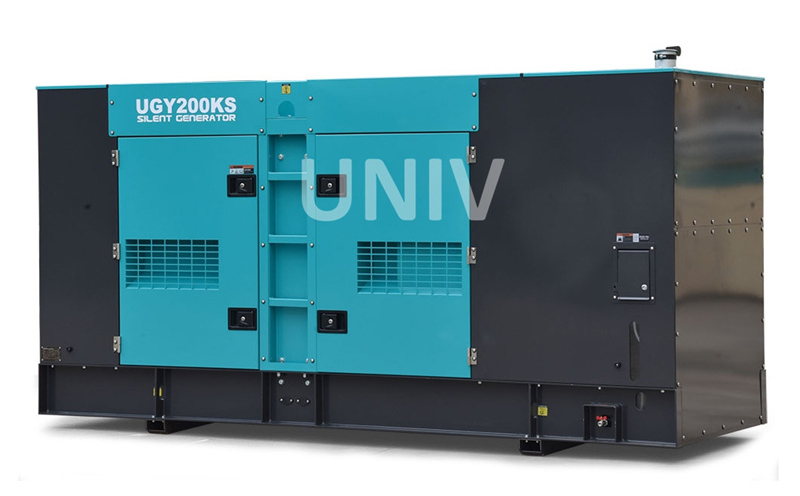
ເປັນເອກະສານການວິເຄາະທີ່ມີເປົ້າໝາຍ: ຈາກອາການເຖິງວິທີແກ້ໄຂ
ການແກ້ໄຂບັນຫາຢ່າງມີປະສິດທິຜົນຈະຊ່ວຍຫຼີກເວີ່ງການປ່ຽນແທນຊີ້ນສ່ວນຢ່າງສຸ່ມສີ່ມ. ຕາມເສັ້ນທາງທີ່ມີລະບົບ:
· ຢືນຢັນ & ສັງເກດ: ຢືນຢັນການເພີ່ມຂຶ້ນຂອງອຸນຫະພູມດ້ວຍເຄື່ອງມືທີສອງ. ຈົດບັນຫາອື່ນໆທີ່ເກີດຮ່ວມ (ເຖິງ, ນ້ຳເລີ້ມໄຫຼ, ເສຽງຜິດປົກຕິ).
· ການກວດສອບພາຍນອກ ແລະ ງ່າຍໆກ່ອນ: ກວດລະດັບນ້ຳເຢັນ, ພາກສ່ວນດ້ານນອກຂອງເຄື່ອງລະເບີດ, ເຂັມຂັດພັນຂອງປັ໊ມລະເບີດ, ແລະ ຮາງນ້ຳ. ມອງຫາບ່ອນທີ່ນ້ຳເຍີນໄຫຼອອກຢ່າງຊັດເຈນ.
· ການທົດສອບການເຮັດວຽກຂອງລະບົບ: ທົດສອບການເຮັດວຽກຂອງເທີໂມສະຕາ, ກວດກາການເຂົ້າໃຊ້ງານຂອງຄລຸດຟັນ, ແລະ ປະເມີນການລົ້ມເຫຼວຂອງປັ້ມຢ່າງອ້ອມແອ້ມຜ່ານຄວາມແຕກຕ່າງຂອງອຸນຫະພູມໃນຮາງນ້ຳ.
· ການວິເຄາະພາຍໃນ ແລະ ລະອອງ: ດຳເນີນການທົດສອບຄວາມກົດດັນຂອງລະບົບລະເບີດເພື່ອຊອກຫາບ່ອນຮັ່ວ, ດຳເນີນການວິເຄາະເຄມີຂອງນ້ຳເຢັນ, ຫຼື ໃຊ້ກ້ອງຄວາມຮ້ອນເພື່ອກຳນົດບ່ອນທີ່ມີອຸນຫະພູມຕ່ຳໃນເຄື່ອງລະເບີດ ເຊິ່ງເປັນສັນຍານຂອງການອຸດຕັນ.
· ການຢືນຢັນພາລະການ: ໃຊ້ມີເtເtເຕີແບບຄິບ (clamp meter) ແລະ ເຄື່ອງບັນທຶກຂໍ້ມູນເພື່ອວິເຄາະພາລະການໄຟຟ້າທີ່ແທ້ຈິງໃນໄລຍະເວລາຕ່າງໆ ເທີບກັບເສັ້ນທາງຄວາມສາມາດຂອງເຄື່ອງເກີດໄຟ.
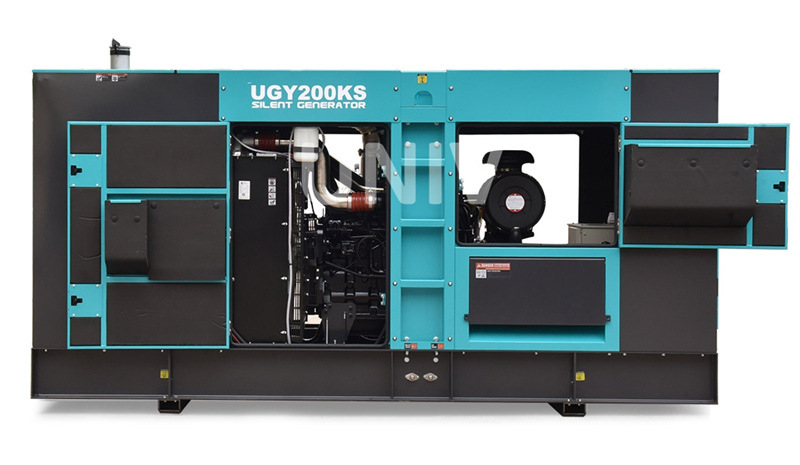
ສະຫຼຸບ: ຄ່າໃຊ້ຈ່າຍທີ່ສູງຂອງການລະເລີຍການເບິ່ງແຄວດ
ເຄື່ອງປ່ອນໄຟດີເຊວທີ່ຮ້ອນເກີນໄປ ແມ່ນການເອີ້ນໃຫ້ເຮັດການດຳເນີນການທັນທີ. ການລົງທຶນໃນການວິເຄາະຢ່າງເປັນລະບົບ ມີຄວາມສຳຄັນຫຼາຍກວ່າການຊ່ວຍເຫຼືອເພື່ອການສ້ອມແປງເຄື່ອງຈັກໃຫ້ເຕັມຮູບແບບ ຫຼື ການລົ້ມສະຫຼາກຂອງລະບົບໄຟຟ້າຢ່າງຮຸນແຮງໃນເວລາທີ່ມີການຂັດຂ້ອງທີ່ສຳຄັນ. ໂດຍການໃຫ້ອຳນາດແກ່ທີມງານຂອງທ່ານດ້ວຍຄວາມຮູ້ທີ່ຈະສາມາດກຳນົດເຫດຜົນທີ່ແທ້ຈິງໄດ້ຢ່າງເປັນລະບົບ—ວ່າຈະເປັນເຄື່ອງລະບາຍຄວາມຮ້ອນທີ່ອຸດຕັນ, ປັ້ມທີ່ເລີ່ມເສື່ອມ, ຫຼື ການໃຊ້ງານເກີນຂອບເຂດ—ທ່ານຈະປ່ຽນສະຖານະການທີ່ຕ້ອງເຮັດງານຢ່າງຕັ້ງຕົ້ນເປັນເຫດການທີ່ຈັດການໄດ້ຢ່າງມີປະສິດທິພາບ. ໃນທີ່ສຸດ, ການກວດສອບລະບົບການລະບາຍຄວາມຮ້ອນຢ່າງລະອອງ ຄວນເປັນສ່ວນຫຼັກຂອງໂປຣແກຣມການບໍາລຸງຮັກສາເພື່ອປ້ອງກັນ, ເພື່ອໃຫ້ເມື່ອສຽງເຕືອນຄັ້ງຕໍ່ໄປດັງຂຶ້ນ, ມັນຈະເປັນການທົດສອບຄວາມພ້ອມຂອງທ່ານ ແທນທີ່ຈະເປັນສິ່ງທີ່ນຳໄປສູ່ຫາຍາກ.
ລະບົບການເຢັນຂອງເຄື່ອງປ່ອນໄຟຂອງທ່ານເປັນຈຸດທີ່ອາດຈະເກີດບັນຫາໄດ້ຫຼືບໍ່? ຜູ້ຊ່ຽວຊານດ້ານການຜະລິດພະລັງງານທີ່ມີໃບຢືນຮັບຈາກພວກເຮົາ ໃຊ້ເຄື່ອງມືວິເຄາະຂັ້ນສູງ ແລະ ວິທີການທີ່ເປັນລະບົບເພື່ອບໍ່ພຽງແຕ່ແກ້ໄຂບັນຫາການຮ້ອນເກີນໄປເທົ່ານັ້ນ, ແຕ່ຍັງຊ່ວຍຄົ້ນຫາ ແລະ ຕັດບັນຫາເຫດຜົນພື້ນຖານທີ່ເຮັດໃຫ້ເກີດບັນຫາດັ່ງກ່າວ, ເພື່ອໃຫ້ແຫຼ່ງພະລັງງານສຳ dự (standby) ຫຼື ພະລັງງານຫຼັກ (prime power) ຂອງທ່ານເຮັດວຽກໄດ້ຢ່າງເຊື່ອຖືໄດ້ຢ່າງຕໍ່ເນື່ອງ. ຕິດຕໍ່ພວກເຮົາໃນມື້ນີ້ເພື່ອຮັບການປະເມີນສຸຂະພາບຂອງລະບົບການເຢັນຢ່າງລະອອງ.
ຖ້າທ່ານສົນໃຈຊຸດເຄື່ອງປັ່ນໄຟດີເຊວສຳຮອງ, ກະລຸນາຕິດຕໍ່ພວກເຮົາ.
Media Contact:
ຊື່:William
ອີເມວ: [email protected]
ໂທລະສັບ: +86 13587658958
Whatsapp: +86 13587658958
 ຂ່າວຮ້ອນ
2026-08-14
2026-07-17
2026-07-08
2026-06-03
2026-05-26
2026-04-16
ຍິນດີຕ້ອນຮັບສູ່ UNIV POWER, ຜະລິດຕະພັນຂອງພວກເຮົາໃຫ້ບໍລິການ ODM ແລະ OEM, ລວມທັງຊຸດເຄື່ອງປັ່ນໄຟ, ຕາຕະລາງແສງສະຫວ່າງ ແລະ ເຄື່ອງອັດອາກາດ ແລະ ອື່ນໆ
ລິຂະສິດ © ບໍລິສັດ ຈີນ ຈິງຈຽນ ອຸນເວີແຊວ ໂທລະຄົມ ຈຳກັດ. ສິດທິ່ທັງໝົດຖືກຮັກສາໄວ້ ນະໂຍບາຍຄວາມເປັນສ່ວນຕົວ ບັນທຶກ
 EN
EN